
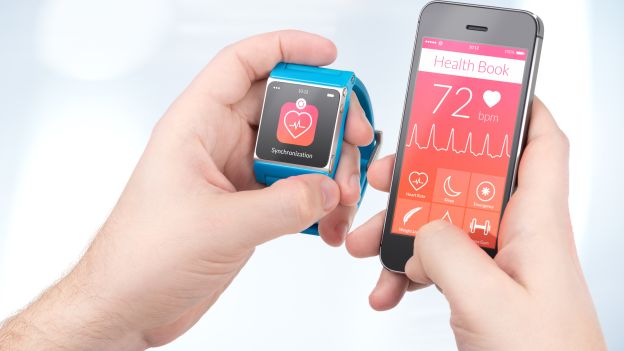
Technology now plays a crucial role in human life, accompanying us at every moment of the day. In a world where we are no longer alone, even when we desire solitude, we are surrounded by innovative digital tools that constantly generate data, provide information, or enable immediate communication with others. Technological innovation has brought numerous advantages that have improved human life in many ways. From nutrition to personal care and even to the professional sphere, innovation has positively impacted various aspects, and sports are no exception. Sports have also been swept up by the technological wave, where innovations not only enhance athletes’ performances but also make game performances increasingly complete and safe.
For individual athletes, several tools are used to monitor and improve their performance. Among those that have seen significant growth in recent years are wearable devices, which, when worn, enhance the capabilities of both the body and mind. There are three main categories of wearable devices in sports:
- Smartwatches: These high-tech watches worn on the wrist function as heart rate monitors, track physical activity, measure kilometers traveled, and calories burned. They are especially popular in running.
- Outdoor GPS devices: Primarily used by those who practice hiking, mountaineering, ski mountaineering, and mountain biking. A GPS provides information about the length and difficulty of routes, altitude changes, and weather conditions.
- Smart clothes: These are intelligent technological garments worn as clothing. They can improve athletic performance in various ways. For example, there are shirts that emit gentle pulses to encourage proper posture in areas like hips, knees, and ankles.
New technologies have also contributed to the improvement of sports in general, offering greater safety and objectivity. The growing presence of technology in sports has led to a revision of the officiating system, aimed at reducing human error. In football, the VAR (Video Assistant Referee) technology was introduced in Serie A starting from the 2017-2018 season—after an initial trial during the 2016-2017 Primavera Championship finals. VAR allows referees to review certain actions through video footage before making a final decision. Similarly, in volleyball, the video check serves a similar function. Since 2012, players can request a video replay twice per set, within seven seconds of the action, to allow the referee to review the play. These are just a few examples, as the same technology has been applied in many other sports.
Technology can also make sports safer by reducing the risk of injury for athletes. In the USA, a helmet has been developed for American football players, which will be widely distributed in the coming years. This helmet will assess the condition of athletes after a collision, allowing for the estimation of potential damage and trauma.
These are just some examples of how technology has contributed to improving and changing the way various sports are practiced. All that remains is to wear smartwatches and wait for the next innovations.
 BOCCONI STUDENTS FOR SPORT MANAGEMENT
Lascia un commento