
Reading time: 5 minutes
Every four years, the FIFA World Cup captures the attention of hundreds of millions of fans around the globe who come together to support their national team in the hope of lifting the coveted trophy. For example, during the 2014 edition held in Brazil, the number of viewers connected via television reached about one billion, while over 3 million people attended the matches in stadiums to cheer for their teams.
The selection of the host nation for the event is made many years before the actual tournament takes place. The 2022 edition was awarded to Qatar in 2010, in a geopolitical and economic context entirely different from the current one. Twelve years make it impossible to determine in advance whether, for the host nation, “the game is worth the candle.” This makes the World Cup a true gamble for the economy of the organizing country, especially given the massive costs involved.
But who are the stakeholders responsible for financing such a large-scale event?
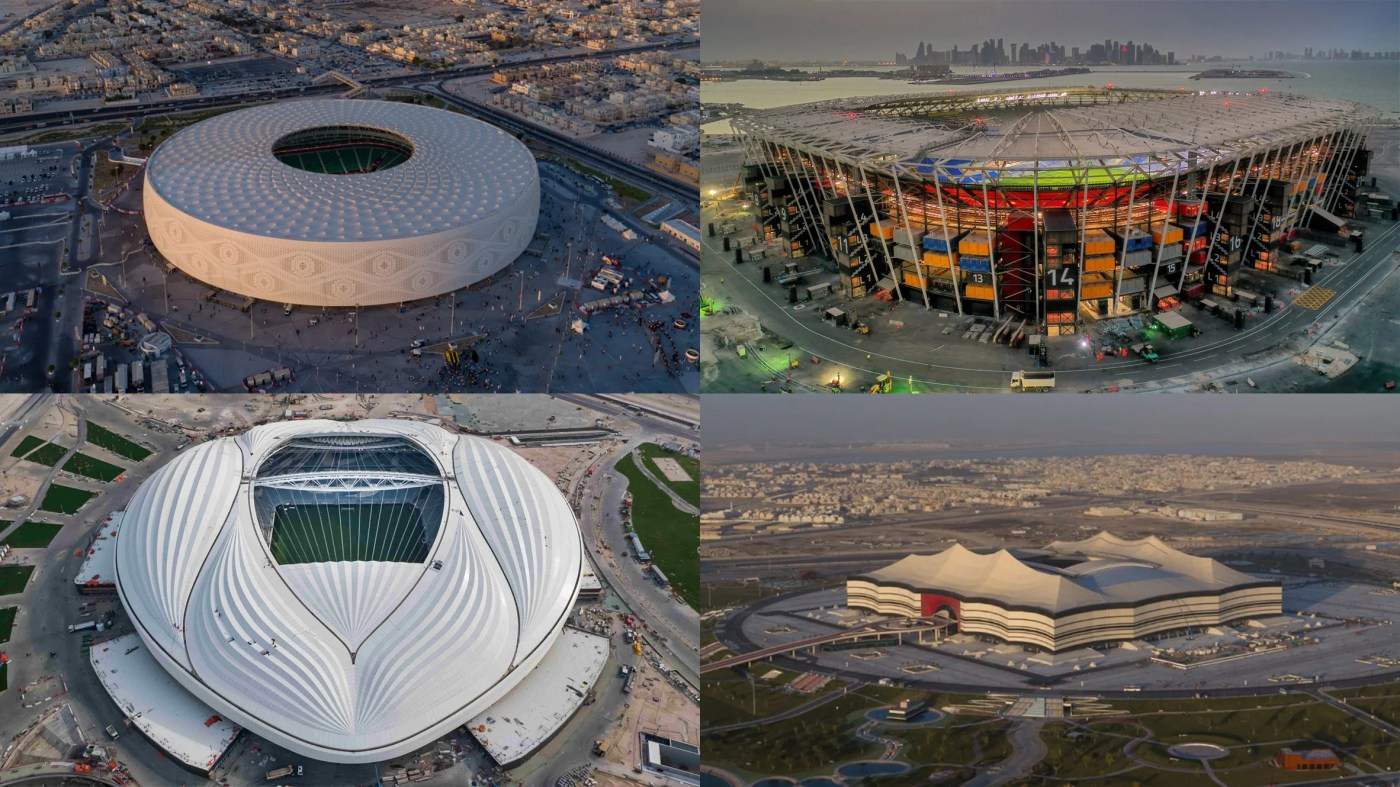
The costs of organizing and hosting a World Cup can be divided into three categories. Firstly, the host nation must build the sports infrastructure needed to host the tournament’s matches. FIFA’s current rules require the host nation to have at least 12 stadiums with a minimum capacity of 40,000 spectators. Additionally, at least one stadium must have larger dimensions and accommodate 80,000 spectators for the opening match and the grand final. With the increase in the number of participating teams from 32 to 48, FIFA’s requirements regarding the number of stadiums are expected to become even stricter.
Analyzing the number of sports facilities currently present in various countries worldwide, as of today, only a handful of nations can host the World Cup without needing to build new stadiums. The financial burden associated with the construction of new sports facilities falls entirely on the host nation. In 2010, the year Qatar was awarded the World Cup, none of its existing stadiums met FIFA’s requirements. In the years since, the nation has constructed and renovated sports facilities at a total cost of 6.5 billion euros. Among all the structures, the Lusail Iconic Stadium stands out, costing about 780 million euros and serving as the venue for the tournament’s opening and final matches.
The second category of costs concerns the construction of the infrastructure system necessary to accommodate the millions of tourists present during the World Cup weeks. For this year’s edition, the construction of a metro line in Doha, which also connects the stadium to the city, cost over 36 billion euros. Additionally, 15 billion euros were spent in the capital on building The Pearl, a shell-shaped village hosting luxury hotels and apartments. Airports were also upgraded to handle the heavy air traffic during the tournament. Consider that during the first week of the World Cup, over 7,000 flights departed or landed in Doha—numbers exponentially higher than what happens during any other week in the Qatari capital.
While the costs related to general and sports infrastructure are borne by the host country, there is a category of costs entirely funded by FIFA—operational costs associated with organizing the event. These costs include, for instance, the transport and accommodation of participating teams, as well as the salaries of all staff working “on the front lines.” Moreover, costs related to marketing, hospitality, and broadcasting the matches are part of this broad category. It is also important to note that FIFA funds the participating teams both by reimbursing costs associated with preparation for the event and directly through the tournament’s prize money: the winning team will receive 42 million dollars, but even teams failing to advance to the knockout stage will earn 9 million dollars.
So, looking at the figures, is hosting the FIFA World Cup worthwhile? Even years after the event, it is extremely difficult to determine the revenues linked to hosting a World Cup. It is undeniable that the tourism boost generated by hosting such a large-scale event is hardly comparable to any policy a country might implement. However, the costs for the host nation make it challenging to think that the World Cup can be financially advantageous for host countries. Until this year’s edition, the most expensive World Cup in history was the one organized in Russia in 2018, with a total expenditure of 12 billion euros. This figure pales in comparison to the amount spent for the current edition—an astounding 230 billion euros.
Although this figure includes investments in permanent infrastructure that will continue to be used after this year’s World Cup, it is undeniable that the tournament provided a significant incentive for Qatar to bear these enormous costs. Qatar chose to host the World Cup, fully aware of the investments required, because the stakes for the nation are very high. The goal is to transition Qatar’s historically oil-based economy toward a more tourism-oriented model, following in the footsteps of the United Arab Emirates with cities like Dubai and Abu Dhabi. Only time will tell if the strategy will prove successful. For now, we can simply enjoy the World Cup spectacle, hoping the best team wins.
Written by Gianandrea Novellone
 BOCCONI STUDENTS FOR SPORT MANAGEMENT
Lascia un commento