

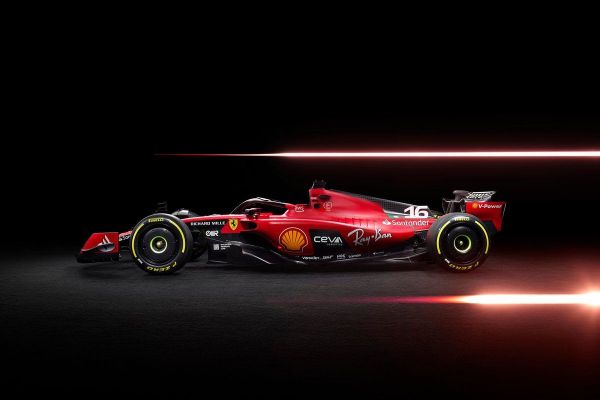
Formula 1 has become one of the most striking examples of how sport marketing can evolve through strategic storytelling, digital engagement, and targeted sponsorship deals. In recent years, the sport has expanded beyond the racetrack, becoming a global entertainment product and a case study in marketing innovation.
The transformation of F1’s commercial position demonstrates how a traditional sport can modernize its identity, attract younger audiences, and double its sponsorship revenue in just five years.
Drive to Survive: Netflix as F1’s Digital Turning Point
In 2019, the launch of the Netflix series Drive to Survive represented a crucial milestone in F1’s marketing strategy. The series pulled back the curtain on the sport, showing drivers’ personal stories, rivalries, and the intensity of life inside the paddock.
This behind-the-scenes narrative was perfectly aligned with the new generation of fans who value connection over competition alone. The results were impressive:
- F1’s global fan base reached 750 million by 2024
- 42% of these fans are under the age of 35
- Female fans increased from 37% in 2018 to 41% in 2024
The Netflix effect expanded F1’s presence into the US market like never before, laying the foundation for new races in Miami, Las Vegas, and Austin — all of which attracted over 400,000 spectators.
A Sponsorship Boom: New Brands, New Values
F1’s repositioning also triggered a new era for brand partnerships. Historically tied to luxury brands, automotive companies, and energy drinks, the sport has now become attractive to mainstream consumer brands seeking visibility in the entertainment world.
In 2024, F1’s sponsorship revenues hit $632 million, doubling from 2019 levels.
Among the new entries:
- Kit Kat (Nestlé)
- McDonald’s
- Hot Wheels (Mattel)
- Lego
- Moët & Chandon (LVMH)
Notably, the average sponsorship deal value rose to over $5 million, while contract durations shortened from 5.2 to 3.2 years, a sign of greater flexibility and faster brand rotation.
The Role of Digital Engagement
Modern F1 marketing strategy places fans at the center of the content ecosystem. Teams and drivers have become social media creators, with platforms like TikTok and Instagram essential to connecting with younger audiences.
This digital-first approach amplifies brand visibility far beyond race weekends. The viral potential of driver memes, behind-the-scenes clips, and interactive fan content ensures that F1 remains culturally relevant every day not just on Sundays.
F1’s New Marketing Blueprint: Lessons for the Sports Industry
The Formula 1 case shows that the future of sports marketing is shaped by three key pillars:
- Storytelling: Brands win when they create emotional connections through human stories.
- Digitalization: Fans demand access, interactivity, and personalized content.
- Flexibility: Shorter, dynamic sponsorships allow brands to react to fast-changing trends.
Conclusion
Formula 1’s marketing revolution highlights how a sport rooted in tradition can reimagine itself for a new era of entertainment. The strategic mix of Netflix storytelling, global expansion, and brand diversification has repositioned F1 as a lifestyle phenomenon.
This evolution offers a clear signal to all sports organizations: the race for fan engagement is no longer only on the track, it’s everywhere fans consume content.





 BOCCONI STUDENTS FOR SPORT MANAGEMENT