The 2023–2024 Serie A season represented a key moment for Italian football clubs financially, marked by solid revenue growth across the league. The collective revenue for the 20 Serie A clubs reached a record €3.8 billion, up from €3.5 billion (+8,6%) in the previous season. This shows that the league is continuing to grow and recover strongly after the pandemic.
Revenue Streams Breakdown:
Broadcasting rights: The main source of income was still broadcasting rights, which brought in about €1.48 billion. This amount stayed steady compared to the 2022–2023 season, showing that Serie A remains strong in the media market.
Commercial revenues: Commercial revenues rose by 8% to €814 million, thanks to enhanced sponsorship deals, increased merchandise sales, and the growing global visibility of clubs through international partnerships and marketing campaigns. This growth underscores the clubs’ enhanced marketing strategies and expanded sponsorship deals.
Matchday revenues: Income from ticket sales and stadium attendance remained steady at €411.2 million, highlighting a return to normalcy in fan engagement post-COVID19 restrictions.
Financial Performance of Top Clubs by Revenue:
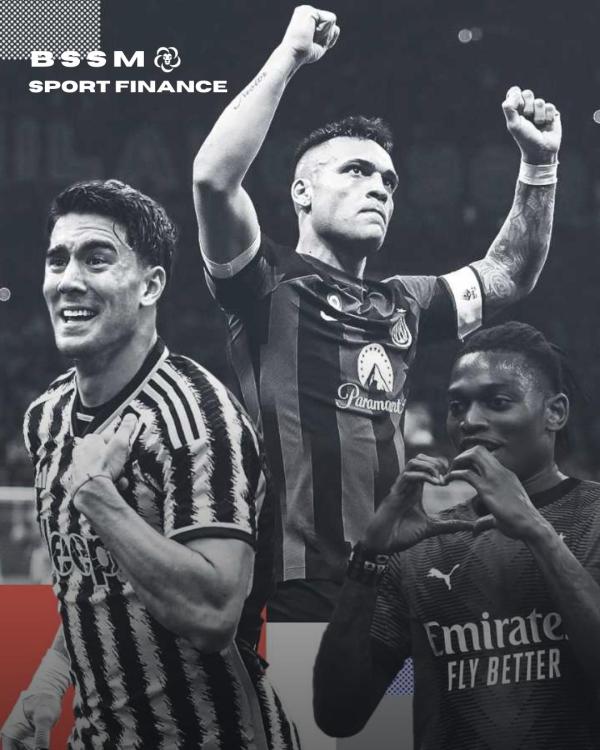
AC Milan, Juventus, Inter Milan and Napoli are the most successful and internationally recognized Italian clubs, and their financial decisions have a significant impact on the overall economic landscape of Serie A.
Club
Revenue(€ million)
Net Profit / (Loss)(€ million)
Key Notes
Inter Milan
473.2
–35.7
Highest revenue in Serie A; strong commercial income; losses reduced via Oaktree capital boost
AC Milan
456.9
+4.1
Second consecutive profit; boosted by Tonali transfer and commercial growth
Juventus
394.6
–199.2
Heaviest loss; absence from European cups impacted revenue; still leads in commercial income
Napoli
328.2
+63.0
Highest net profit in the league; strong cost control
Overall Financial Health:
The aggregate net loss for Serie A clubs in the 2023-2024 season was €369.4 million, an improvement from the €441 million loss in the previous season. Seven clubs reported profits: Napoli led with a profit of €63.029 million, followed by Lazio (€38.494 million) and Lecce (€13.983 million).
The increase in revenues is a positive indicator, but the persistent high costs, particularly player wages and transfer fees, continue to challenge the financial sustainability of many clubs. The ongoing efforts to balance expenditure with income will be crucial for the long-term economic health of the Serie A League.
Milano Cortina 2026 will be the next Winter Olympic Games taking place in less than 400 days. While the primary focus of these events tends to be on the sporting aspects, it is equally important to consider the financial commitments and investments required for such a monumental undertaking.
Regarding this point, sponsorship and the role of finance, in general, play a pivotal role in ensuring the success of the event and maximizing its benefits for the entire country.
First and foremost, the Milano Cortina 2026 Winter Olympic represents a significant opportunity for the italian economy, with a potential impact of over 3 billion euros. The necessary investments span various sectors, such as infrastructure, development, event promotion, operational costs, and, crucially, the involvement of local and international enterprises through sponsorships. In fact, numerous large international corporations have already pledged their support, with a substantial contribution of over 300 million euros toward the total budget. However, the Venetian enterprises have initially shown preliminary doubts regarding the high sponsorship fees to pay (estimated between 2 and 2.5 million euros).
Despite these initial hesitations, local institutions remain optimistic about the involvement of Venetian businesses. Luca Zaia, President of Veneto Region, has conveyed confidence that regional businesses will ultimately recognize the exceptional opportunities the event offers. According to Zaia, the Olympics provide an exceptional opportunity for these companies to gain international visibility.
Similarly, Giovanni Malagò, President of the Italian National Olympic Committee (CONI), reiterated the importance of securing strong local support for the event. The involvement of local industrial leaders as sponsors would symbolize regional commitment to a globally significant event, underscoring the cooperation between the public and private sectors.
The economic impact of the Milano Cortina 2026 Olympics extends far beyond the direct costs associated with organizing the event. Overall, the Olympic Games are expected to generate a considerable economic ripple effect across various sectors. In particular, tourism, hospitality, retail and transportation will see meaningful gains from the influx of visitors from around the globe. According to estimates, around 500,000 international tourists will contribute to temporary and permanent job creation in the host cities and beyond.
On October 28, the Ballon d’Or was once more confidently awarded at the grandeur of Paris annual ceremony at the Théâtre du Châtelet. Every year it awards respectfully the best male and female football player of the season. The winner of this edition, the Manchester City and Spain midfielder Rodri, has just entered a very short list of football legends who won the prestigious trophy, after an outstanding season with the club topped by the triumph at Euro 2024. It is surely a new chapter in this year’s book, for it is the first time since 2003 that Lionel Messi and Cristiano Ronaldo have not been nominated.
The Ballon d’Or is more than just an award given away by France Football; in the last twenty to thirty years, it has become a symbol of excellence in football. There is also a larger financial significance that such awards hold for the players and the clubs. Below are some notable issues in the financial context that we’ll examine today.
Although winning itself doesn’t come with a big-money prize, the earning prospects of players after winning increase with endorsements, sponsorships, and bonuses from clubs.
Of course, the ceremony attracts major sponsorship deals and broadcasters put up great money for the event generating considerable revenue. Such are some of the assets any player will realize.
For these players, winning, or even just being nominated, drives up their market value, allowing the clubs to demand a higher transfer fee. Winning a Ballon d’Or increases a footballer’s market visibility, leading to even greater endorsement contracts, not just within the football fraternity. Major brands play on this, hurling hefty sums to encourage top players to star for their campaigns. Luxury brands make great use of footballers in their collections.
Clubs will benefit from these prestigious awards as well. One might say there are several ways in which clubs can benefit financially from the Ballon d’Or. The first and most crucial of these gains is the visibility and fame that comes after of winning, thus attracting more sponsors and fans. The awards would notably increase the players’ selling values and merchandise sales in jerseys and stadium tickets leading to an inflow of money for the club as well.
On the other hand, having a Ballon d’Or winner allows the club to negotiate better sponsorship contracts and attract larger firms seeking to build an association with success.
They get more visibility in the media, which may also raise their marketability, leading to better broadcasting rights deals. Furthermore, the attention of the whole world on the award is likely to help clubs widen their global fan base, opening new avenues in merchandise sales and in partnerships. Especially in the last ten years all the big clubs in European football have started to expand their horizons outside of Europe towards America and Asia, in order to attract new interests that would hopefully result in new partnerships.
Overall, the financial backdrop of the Ballon d’Or is, then, inextricably linked to the commercializing aspects of football, which further enrich the economic landscape of the game. Therefore, although this ceremony clearly is a celebration of the player’s status, we must remember all the financial benefits it brings.
The size and popularity of soccer, which has increased greatly in recent years, has initiated a process of regulation of football clubs: control rules, regulation of the legal form and formal obligations, particularly the preparation of financial statements.
The preparation of financial statements of soccer clubs, unlike “classic” companies, has some distinctive peculiarities:
the regulatory sources are prepared by the FIGC and they are the Internal Organizational Rules of the Football Federation (N.O.I.F.), the Unified Chart of Accounts and the Accounting Recommendations;
other regulatory sources are the Civil Code, from which certain rules specified by the FIGC may derogate, and international rules specified by UEFA or FIFA;
the administrative period coincides with the sports season: July 1-June 30.
The financial statements must consist of Balance Sheet, Income Statement, Cash Flow Statement and Explanatory Notes to the Financial Statements.
The typical items that characterise the Balance Sheet Assets are:
Intangible fixed assets: players’ registration rights, concessions, licences and trademarks;
tangible fixed assets: stadium, facilities, land, plant and machinery owned by the club.
Players’ registration rights correspond to the acquisition value of the player’s card, including costs related to the acquisition such as agent’s commissions, signing bonuses and bonuses; the account is entered in the balance sheet net of the amortisation fund, where the amortisation fund is the sum/accumulation of the amortisation made at the end of the period.
Trademarks are characterised by registered and protected property rights, such as, for example, logos, club colours, coat of arms, names and, more generally, distinctive club and brand rights.
The Income Statement, on the other hand, shows the following items:
VALUE OF PRODUCTION
Stadium revenues: tickets and season tickets;
Television rights;
Revenues from sponsor;
Merchandising;
Player trading assets: revenues from the loan of players and capital gains from the outright sale of players.
Rent of stadium and sport facilities (if not owned);
Marketing and advertising;
Player trading liabilities: capital losses from the outright sale of players and costs from the loan purchase of players;
Amortisation of players.
We can see how, in contrast to civil law provisions, football clubs record capital gains and capital losses in their ordinary operations, whereas for ‘typical’ companies they are extraordinary income/costs.
Let us now look at a clear example to understand how a purchase of a football player, its relative cost in the balance sheet and its possible future sale works.
In the example below, the player was purchased (assuming at the beginning of the accounting period) at a cost of EUR 55,000,000, including incidental expenses. A 5-year contract was signed, so the cost will be spread over several years: 55,000,000 / 5 = 11,000,000.
TAG COST
INCIDENTAL EXPENSES (agent fees)
Contract duration
Annual amortisation
50,000,000
5,000,000
5
11,000,000
At the end of each year’s period we will write:
END OF PERIOD
PURCHASE COST
ANNUAL AMMORTISATION (Income Statement)
AMORTISATION FUND
Players’ registration rights (Balance Sheet)
N
55,000,000
11,000,000
11,000,000
44,000,000
N + 1
55,000,000
11,000,000
22,000,000
33,000,000
N + 2
55,000,000
11,000,000
33,000,000
22,000,000
N + 3
55,000,000
11,000,000
44,000,000
11,000,000
N + 4
55,000,000
11,000,000
55,000,000
0
Assume, for example, that the player is sold for 40,000,000 at the beginning of year N + 2. At the end of year N + 1, the player was worth 33,000,000 on the balance sheet, so the same value is carried forward to the beginning of year N + 2. Well, the difference of 7,000,000 (40,000,000 – 33,000,000) we will enter in the balance sheet in the Income Statement recording a revenue, more precisely a capital gain.
SALES
BOOK VALUE
CAPITAL GAIN
40,000,000
33,000,000
7,000,000
To get an idea of the real size of the football industry, let us now analyse the balance sheets of the Serie A football clubs with their differences and peculiarities.
The figures refer to the 2022/2023 football season.
The costs do not only indicate the so-called ‘production costs’, but also include depreciation, provisions, write-downs, financial expenses and taxes; this method was used to better understand the derivation of profit.
CLUB
INCOME
COST
NET PROFIT
ATALANTA
195,4
189,8
5,6
BOLOGNA
117,32
133,62
-16,3
CAGLIARI
69,7
72
-2,3
EMPOLI
81,6
85,6
-4
FIORENTINA
159,6
179,1
-19,5
FROSINONE*
1,48
18,24
-16,76
GENOA
116,9
148,9
-32
INTER
425,5
510,8
-85,3
JUVENTUS
507,7
631,4
-123,7
LAZIO
153,3
182,8
-29,5
LECCE
59
58,2
0,8
MILAN
404,5
398,4
6,1
MONZA
68,3
128,6
-60,3
NAPOLI
359,2
279,5
79,7
ROMA
277
379,7
-102,7
SALERNITANA
70,6
100,2
-29,6
SASSUOLO
140,2
147,2
-7
TORINO
101,1
110,66
-9,56
UDINESE
126,2
129,8
-3,6
VERONA
98,4
110,1
-11,7
*Balance sheet of Frosinone Calcio Srl (as at 30 June 2023). 18.08 million the assets of Together F.C. S.p.A. the holding company of the sports infrastructure branch. The company is 55% owned by PSC Gestione Partecipazioni S.r.l. and 45% by BS Holding S.p.A. Both companies are entirely owned by the Stirpe family. Together FC controls the Together Infrastrutture Sportive S.r.l. Società di Progetto which is the Company that manages the infrastructures used by Frosinone Calcio, such as the ‘Benito Stirpe – PSC Arena’ stadium and the ‘Cittadella dello Sport di Ferentino’.
The numbers speak for themselves: the football industry has a considerable turnover. The real issue, however, is how these clubs ‘burn through’ the huge turnovers from player sales, television rights, stadiums, merchandising and sponsors; the question is much debated and, as the most analytical balance sheets can suggest, cutting costs, particularly those related to player purchases and player salaries, is the key to long-term economic-financial sustainability. A further solution may be the inclusion of regulation of the sector through legal impositions in terms of budget quotients or spending capacity, although this route does not seem to be considered by the authorities. In fact, looking at the strategies of leagues, federations and international organisations (FIFA and UEFA), the key seems to be more towards increasing turnover than reducing costs: how? New competitions, such as the Nations League, the Club World Cup and the new format of the Champions League, may induce clubs to have higher revenues from television rights and to have the possibility of a larger budget, which suggests an ever-increasing increase in fees and salaries.
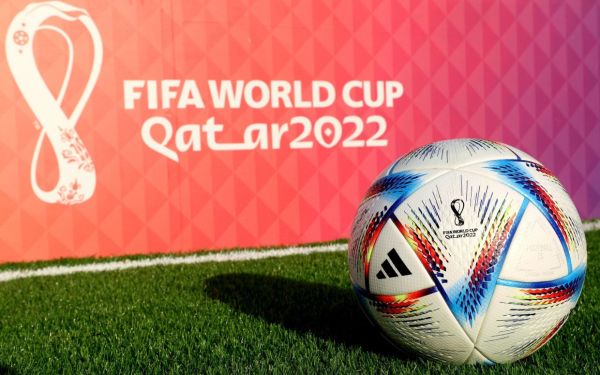
Amid the scorching Qatari desert and a relentless storm of criticism, the first winter World Cup in football history finally begins. This most unusual tournament kicks off with its two greatest stars, Messi and Cristiano Ronaldo, finding themselves in surreal situations just days prior: the former collapses with his Albiceleste against a Saudi powerhouse, while the latter remains clubless just two days before debuting with Portugal.
Meanwhile, during the reigning champions France’s first outing, only nine minutes into the game and following Australia’s opening goal, an unnatural knee movement forces Lucas Hernández off the field in tears, sparking fears and leaving everyone on edge, even in Munich.
“Rupture of the anterior cruciate ligament in the right knee,” reads the official statement from the French federation. A piece of news that, despite the victory, sours the mood—not so much for the French supporters as for Bayern Munich, who won’t see their player back before the 2023/24 season and will need to find an adequate replacement in the winter transfer market.
The issue of national team injuries has always sparked debate and often led to clashes between clubs and federations. To address this, FIFA, especially for a mid-season World Cup, established coverage for injuries sustained during national team duty through the Club Protection Programme.
Given the numerous risks associated with professional athletes’ activities, the insurance company Lloyd’s has, for years, specialized in the sports insurance business. The firm underwrites individual insurance contracts reaching staggering sums, around £150 million, covering injuries and health policies for players. Specifically, Lloyd’s evaluates policies based on parameters like the ever-growing salaries in football, record club revenues, and significant sponsorship deals of individual players.
Following the Covid pandemic and a World Cup held at the peak of the season, the sports insurance business has continued its exponential growth. This market appears to align with the development of the professional sports industry, which, according to Dbrs Morningstar, is expected to reach $600 billion in revenues by 2025, with an annual growth rate of about 8%.
Taking Lucas Hernández’s Tuesday evening injury as an example, the policy aims to mitigate the financial impact of his prolonged unavailability. Beyond the burden of his “modest” €18 million net salary on the club’s budget, the Bavarian sporting director Salihamidžić will inevitably need to make an expensive move in the January transfer window to replace him.
Lloyd’s analyses also reveal another interesting fact: the average insurable value for players aged 18–24 is £32 million, compared to £12 million for those over 31. This is hardly comforting news for Bayern Munich after the injury to the 26-year-old Frenchman.
Focusing on Qatar 2022, the total insurable value of the entire tournament, at £22 billion, highlights the extraordinary growth of this sector. This figure dwarfs the £6.2 billion recorded during the 2014 World Cup and reflects the exponential increase in football-related salaries, sponsorships, and revenues, justifying the staggering insurance policy values.
Finally, as reported by Milano Finanza, it is intriguing—and almost prophetic—that Lloyd’s, using the highest estimated insurable value for each national team, has developed a model to predict the tournament winner based on individual team performances.
Having correctly forecasted the winners in 2014 and 2018—Germany and France, respectively—this time, with an insurable value of £3.17 billion, England emerges as the favorite.
So, the inevitable question arises: is it coming home?
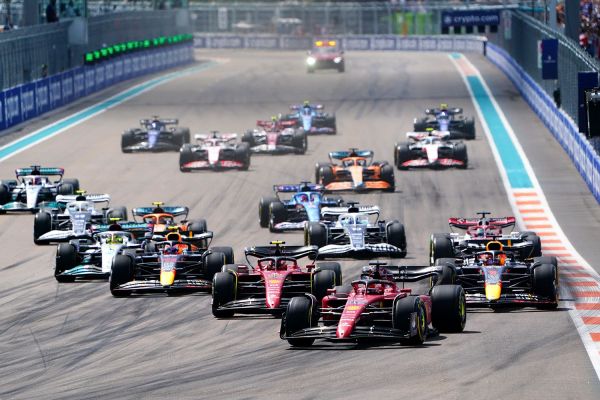
On October 11, 2022, an FIA statement significantly stirred emotions regarding the Budget Cap issue in Formula 1. The matter, which had already been known in previous weeks, took a sudden turn following Max Verstappen’s championship win, achieved with his first-place finish at the Japanese Grand Prix in Suzuka. Verstappen’s team, Oracle Red Bull Racing, alongside Aston Martin, was found guilty by the Fédération Internationale de l’Automobile (FIA) of violating financial regulations. However, there is a distinction between the two cases: while Aston Martin’s infraction was merely procedural (failing to include a budgetary item that should have been accounted for), resulting in a simple fine, Red Bull breached the cost cap, albeit to a lesser extent.
The term “minor breach,” as stated in the FIA’s official communication, caused some confusion among Italian media, but the FIA’s interpretation refers to a violation below 5% of the $145 million Budget Cap, equating to $7.25 million. In the days leading up to the verdict, Red Bull worked with the FIA to argue that certain items should not be included in the Budget Cap, though the FIA disagreed. This effort allowed them to avoid falling into the category of a “material breach,” which would have resulted in more severe consequences. However, the situation remains significant.
The aspect raising the most doubts is the fact that this regulatory infraction pertains to the 2020-2021 season. This season was notably won by Red Bull driver Max Verstappen in the final race against Lewis Hamilton. Initially, economic reports suggested that Red Bull made illegal modifications to the rear wing to generate greater downforce. However, more recent reports indicate the team exceeded the Budget Cap due to personnel vacation costs and post-race catering expenses. Nonetheless, these claims, which Red Bull has not denied, should not be automatically accepted as true, given that penalties also depend on which budget items were involved. Consequently, it could be in Red Bull’s interest to promote such narratives.
A post on Red Bull’s social media channels does not indicate any intention from the team to admit guilt or back down, suggesting that this matter could persist for some time. Meanwhile, the FIA has reserved the right to decide in the coming days. Potential penalties, which can be combined, include:
– Public reprimand;
– Fine;
– Exclusion from sessions, except the race;
– Limitations on wind tunnel usage for future developments;
– Budget Cap reductions for future seasons.
These are the most probable sanctions, though there is concern that this dangerous historical precedent might lead other teams to exceed the Budget Cap deliberately to win a championship, accepting minor penalties in the following season—or, as in this case, two years later. For this reason, two additional sanctions could be more appropriate:
– Deduction of points in the 2020-2021 Constructors’ Championship (won by Mercedes);
– Deduction of points in the Drivers’ Championship, leading to the 2020-2021 title being awarded to Lewis Hamilton.
Further developments are sure to follow, as the 2020-2021 World Championship is once again under scrutiny. For the FIA, this will be a historic decision, which could take more time to finalize. Regardless of the outcome, one thing is certain: from this moment on, Formula 1 will never be the same.
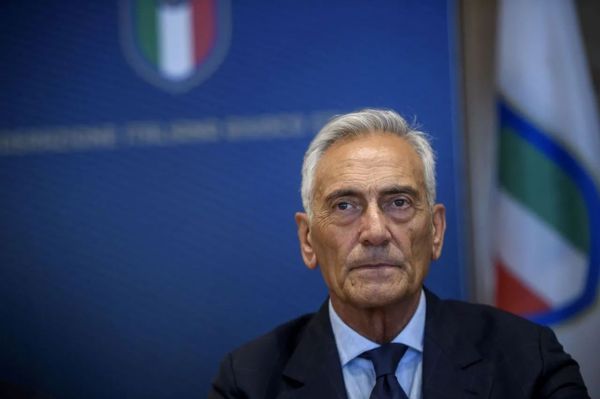
A few weeks ago, the news broke of Gabriele Gravina, president of the Italian Football Federation (FIGC), being appointed as vice-president of UEFA. On April 5, he took the opportunity to thank UEFA President Aleksander Čeferin and his colleagues from the confederation, emphasizing how the appointment was a sign of personal trust and confidence in the Italian Federation, the result of the complex and continuous collaborative work carried out in recent years between the two bodies. Staying in line with this tireless work, President Gravina wasted no time: according to La Repubblica, UEFA has set up a working group, of which Gravina is the coordinator, with the aim of “improving the long-term sustainability of European football.” This new working group includes 11 representatives from national federations, the ECA (European Club Association), the European Leagues Association, FIPRO Europe (the players’ union), and Football Supporters Europe (an association representing football fans). The commission already met in Nyon, the city where UEFA’s headquarters are located, and the topics discussed are particularly current: they range from capital gains to the firm belief that “financial sustainability is crucial for the future of European football.” Although the term “capital gains” was not explicitly mentioned, it is evident that the focus and main concern for UEFA is the transfer market and its distortions. In order to eliminate these, particularly to prevent abuses and ensure equal treatment, the commission has proposed “amendments to the regulations governing the accounting of transfer transactions.”
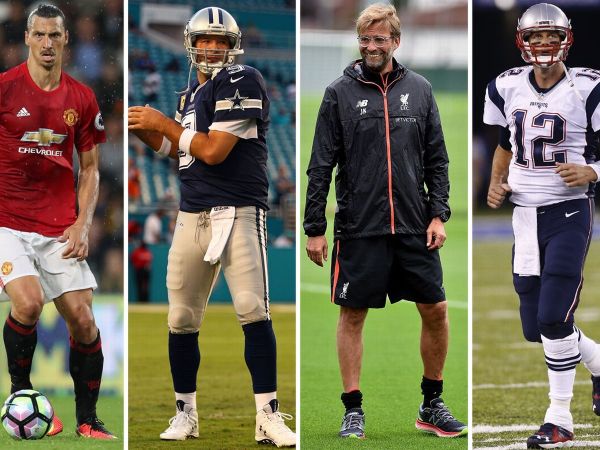
The long-term perspective, however, is broader: it is clear that the goal is to implement some form of salary cap. La Repubblica reports that a specialized working group has been established to “analyze the impact of national taxes and social charges in various jurisdictions, to develop effective and fair cost control mechanisms. It will also examine the feasibility of specific measures to complement the current squad cost rule.” This would thus lead to a form of salary cap. This term is usually associated with the NBA in the sports world, and it is widely believed to be one of the factors that makes the North American basketball league so attractive. The salary cap, along with the draft mechanism, is a fundamental tool for maintaining balance between teams in the league and preventing the best players from concentrating in a few wealthier teams. The salary cap is essentially a financial ceiling: it represents the total amount of money each team can spend on player salaries. This figure changes slightly from team to team and ensures there is no significant imbalance between franchises; in this way, at least in theory, the more prestigious teams are not advantaged over the smaller teams.
The desire to import this mechanism from the United States has been frequently expressed in the past by many industry professionals and others. Certainly, the need for rules to control costs is more urgent than ever, in a time of general financial crisis in European football, which paradoxically also sees continuous increases in player salaries. According to Calcio e Finanza, President Gravina was already considering possible solutions in 2021. At the margin of an event that year, he had stated, “My proposal is to start putting the cost policy under control. Since we cannot really emulate a proper salary cap because it could clash with European rules or regulations governing free market economies, the idea is to set a limit by not exceeding the costs of the 2020/21 season for the 2021/22 season as a first step. You can exceed it if you want by providing real guarantees or by putting in real financial resources.” In a previous interview, when asked how to save Italian football from its crisis, he had replied that this would only be possible “by respecting the principles of market economy and increasing controls. Sustainability must be our mantra. Certain player salaries are no longer feasible. A salary cap would penalize our clubs too much, and they would no longer be competitive in international cups. I’ve envisioned a kind of luxury tax like in the NBA (a heavy fine imposed when teams exceed the salary cap for three consecutive seasons).” In light of these statements and comparing them with what was reported by La Repubblica, one could conclude that the president may have changed his mind about the possibility of implementing a salary cap, perhaps due to the opportunity presented by now being at the top of UEFA, which allows him to coordinate interventions with EU policies and all European federations. Gravina, however, has always maintained clear positions and ideas on the need to contain the costs of the football system. We can only hope that he now dedicates himself to this mission, in order to save the system from a collapse that seems inevitable with the current pace.
On February 12, the National Football League (NFL) championship final was held in the United States between the Philadelphia Eagles, NFC champions, and the Kansas City Chiefs, AFC champions, who claimed victory, securing their third Super Bowl title ever.
As every year, the anticipation was enormous, not least because the Super Bowl is not merely a sporting event but rather a mix of various kinds of entertainment. This explains the immense media attention it garners annually and its popularity outside the United States, even in countries like ours, where the number of American football fans is certainly smaller. This often leads many, both insiders and others, to claim that American football is a bigger business than European (and global) soccer.
The question is undoubtedly complex; thus, the aim of this article is not to provide a definitive answer but rather to offer a reflection on the topic based on solid data.
To do this, let us start with an initial comparison between the 2023 Super Bowl and the World Cup final held in Qatar last December 18. Before presenting the data, it is worth emphasizing one key difference between the two events: while the Super Bowl occurs annually, a World Cup final takes place every four years. Nevertheless, there is no comparison in terms of viewership. According to FIFA data, 1.5 billion viewers watched the Qatar World Cup final on TV—a number that shattered all previous records—while this year’s Super Bowl recorded a still respectable figure of about 113 million viewers.
Shifting to a broader perspective, considering the entire NFL season instead of a single event, we see the other side of the coin: revenue generation and TV rights, where the American competition reigns supreme. It is estimated that FIFA generated $7.5 billion in revenue from the 2022 World Cup, whereas the NFL produces approximately $17 billion every single season. TV rights contribute significantly to this figure. As reported by Il Sole 24 Ore, the NFL signed new TV rights agreements with CBS, NBC, Fox, ESPN, and Amazon worth a total of $110 billion, nearly doubling previous contracts. These agreements will come into effect in 2023.
The comparison with the numbers from global, European, and Italian soccer is stark. Regarding the last World Cup, RAI in Italy reportedly secured the TV rights for an amount between €150 million and €160 million (according to Calcio e Finanza). Staying within the Italian market, Serie A is worth €840 million per season, totaling €2.5 billion for exclusive coverage of seven matches per week on all DAZN platforms. Meanwhile, the Champions League, spanning five markets (France, the United Kingdom, Germany, Spain, and Italy), brought UEFA €1.5 billion in revenue during the 2018-2021 triennium.
European figures also pale in comparison to another global sports business giant, the NBA, which, according to Il Sole 24 Ore, earns $8 billion annually from TV rights.
In addition to TV rights revenue, NFL franchises benefit from significant income streams from ticket sales (with an average of over 60,000 spectators per game), merchandising, and sponsorships. The latter are steadily growing, focusing more on partnerships with the league and championship as a whole rather than individual clubs.
Comparing total revenues generated, the top five European leagues—Premier League, La Liga, Bundesliga, Serie A, and Ligue 1—collectively generate less income annually than the NFL alone, despite their significantly larger fan base and audience. This striking contrast between fan numbers and total revenue may help explain why one of the driving forces behind the Super League project was rooted in this disparity.
With 158 votes in favor, 3 against, and 3 abstentions, on Wednesday, February 15, the Senate approved a government amendment abolishing the possibility of extending sports broadcasting licenses to five years. Let’s take stock of the situation surrounding Serie A, DAZN, Sky, and the potential entry of Prime Video into Italy’s top sports scene.
On February 14, Serie A issued a statement after the club assembly, supporting an amendment proposed by Senator Claudio Lotito, Lazio’s president. The statement highlighted that “the possibility of a maximum two-year extension of existing contracts with DAZN and Sky for the 2021-2024 audiovisual rights represents a very useful option, which, while neither automatic nor binding, strategically aids the League and its Associates in ensuring the best and most efficient valorization of Serie A in the coming years.”
However, the proposal for an extension, stemming from the majority coalition that Senator Lotito is part of, was struck down by the amendment, sparking surprise from Serie A president Lorenzo Casini. He clarified that the extension aimed not to favor any particular party but to ensure “better procedures and negotiations.” The official note emphasized that the extension would impose no burden on public finances, as the League hoped to “pursue all possible actions to best enhance the football industry, whose revenue and tax contributions sustain all Italian sports.”
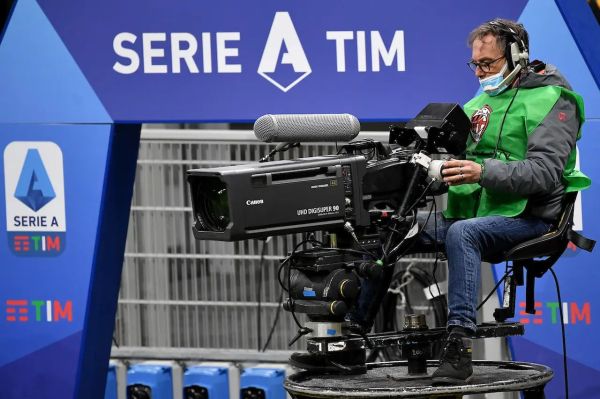
DAZN and Sky, currently paying €840 million and €87.5 million respectively (Sky for three co-exclusive matches) for a total of €927.5 million per season until 2023/24, have yet to comment. However, their support for extensions seems inevitable. Serie A aims to buy more time, as, unlike the lucrative Premier League, the Italian product struggles to fetch around €1 billion due to declining appeal, outdated facilities, and recent judicial issues involving Italy’s top team internationally.
Meanwhile, Antitrust calls for lower prices and broader distribution of football content. Could Sky reclaim exclusive rights to Italian football? And would they outbid London-based DAZN?
As reported by Milano Finanza, speculation about Amazon’s Prime Video entering the mix is gaining momentum. After securing rights to 16 exclusive UEFA Champions League matches and given its vast financial resources, could Prime Video be a plausible contender for Serie A rights?
The future of Italian football’s TV rights is shrouded in uncertainty and unpredictable scenarios. Yet one thing is certain: the Premier League remains far ahead of all other European leagues. Much work lies ahead for Italian sports structures to regain international appeal and attempt to compete with their English counterparts, who currently seem uncatchable.



 BOCCONI STUDENTS FOR SPORT MANAGEMENT