
In Formula 1, there are many curses that fans enjoy naming. There is the curse of the first Grand Prix of the season, where the winner, at least in recent years, inevitably ends up in second place in the drivers’ standings by the end of the championship. There is the Monza curse, which predicts that every year, the first driver to cross the checkered flag on the same circuit the previous year will not see the black-and-white flag in that edition but will instead be forced to retire. Then there is the Monaco curse, which has consistently plagued Charles Leclerc since his Formula 1 debut. And, apparently, there’s also the curse of “Lewis Hamilton’s mirror selfies,” which seem fatally to precede announcements of changes within the F1 paddock.
This was also the case before the drivers returned to the Baku circuit in Azerbaijan: AlphaTauri’s long-standing Team Principal—known as Toro Rosso to longtime fans—Franz Tost, announced he would step down at the end of the season.
However, the chosen replacement sparked quite a stir and raised numerous questions: the current Sporting Director of Ferrari, Laurent Mekies, will take over leadership of the small Italian team. Confusion, however, was not far behind. After all, Ferrari has yet to officially confirm the matter—even though anyone can understand the allure of leading a Formula 1 team and the implied resignation from his current role. Moreover, Mekies is still serving the team, as evidenced by his presence in the pit wall this weekend. Will he soon face departure from Maranello along with a likely confidentiality agreement?
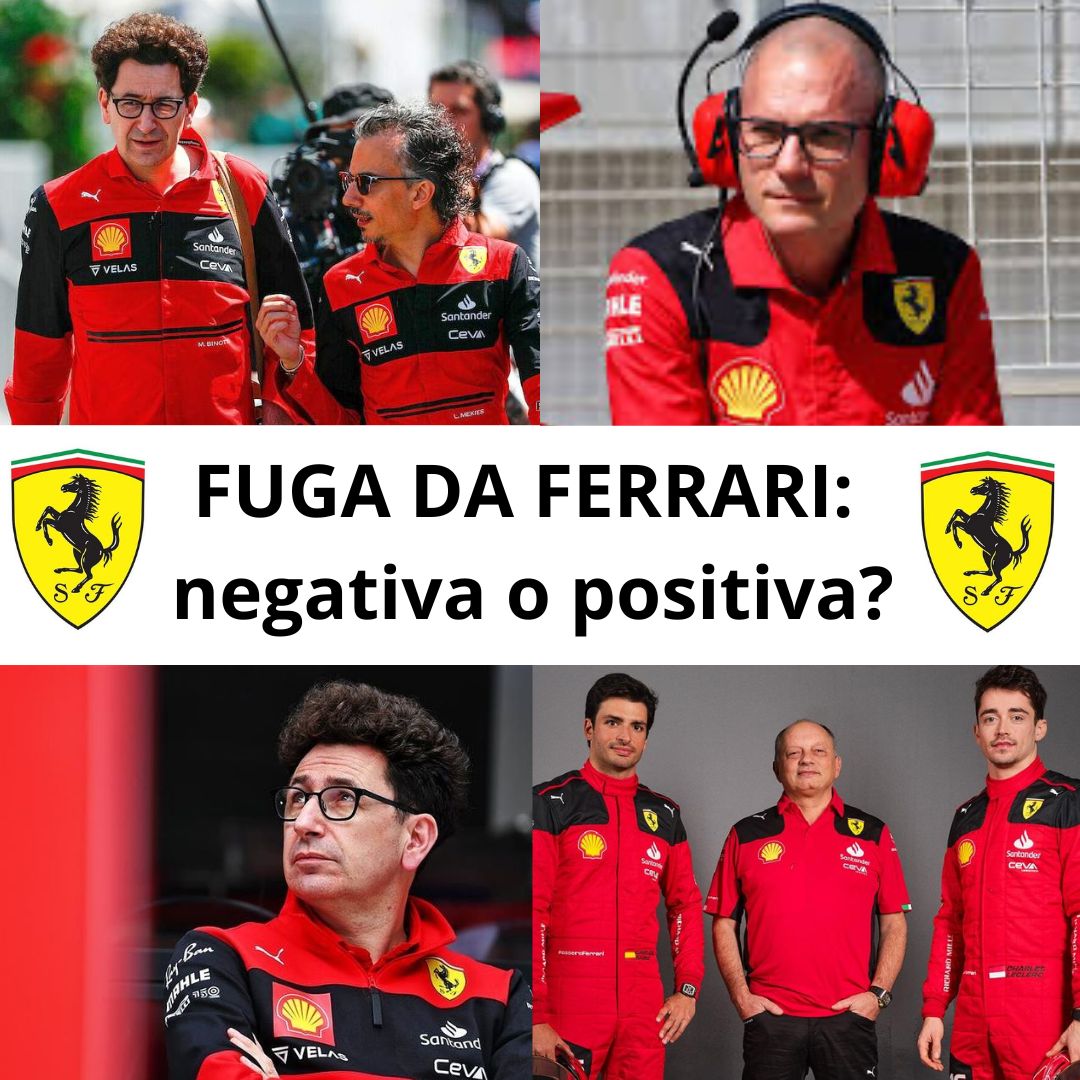
That said, the departure of the Sporting Director highlights one glaring reality: the exodus of senior figures from Ferrari, starting with former Team Principal Mattia Binotto. High-ranking personnel have left, such as David Sanchez, the head of aerodynamics, who is set to join McLaren. Many also speculate that former head of strategy Iñaki Rueda might face dismissal or voluntarily leave the Scuderia. While some Ferrari fans may welcome the latter news given last season’s strategic errors, the overarching situation is clear: on the positive side, one could argue that Ferrari is seeking change. On the negative side, it might suggest waning hope among Maranello’s workforce of clinching a title that has eluded them since 2007.
The changes began last year when the team announced that “it had accepted the resignation of Mattia Binotto, who will step down from his role on December 31.” Many rumors and speculations followed the announcement: some suggested disagreements between Binotto and John Elkann (CEO of Exor N.V., the investment company that also owns Ferrari), while others believed Binotto chose to leave the pressure-laden role of Ferrari’s Team Principal voluntarily. His words seem to support the latter hypothesis: he expressed regret at leaving the company he had served for nearly three decades and seen achieve victories, yet was aware he was leaving behind a united and growing team.
It was under his leadership, along with Sanchez’s guidance, that work began on the SF-23. However, Sanchez has since resigned after over ten years at Maranello—an important loss that Vasseur has emphasized, dismissing the many criticisms leveled at Sanchez regarding the car’s underwhelming start.
In essence, Ferrari is entering a new era under the watchful eye of new Team Principal Frédéric Vasseur, with fresh faces filling key positions. The question now remains: will this change be positive or negative for Ferrari?
 BOCCONI STUDENTS FOR SPORT MANAGEMENT
Lascia un commento