
One of the main differences between the American and European sports systems lies in the training path young athletes follow before possibly reaching a senior level.
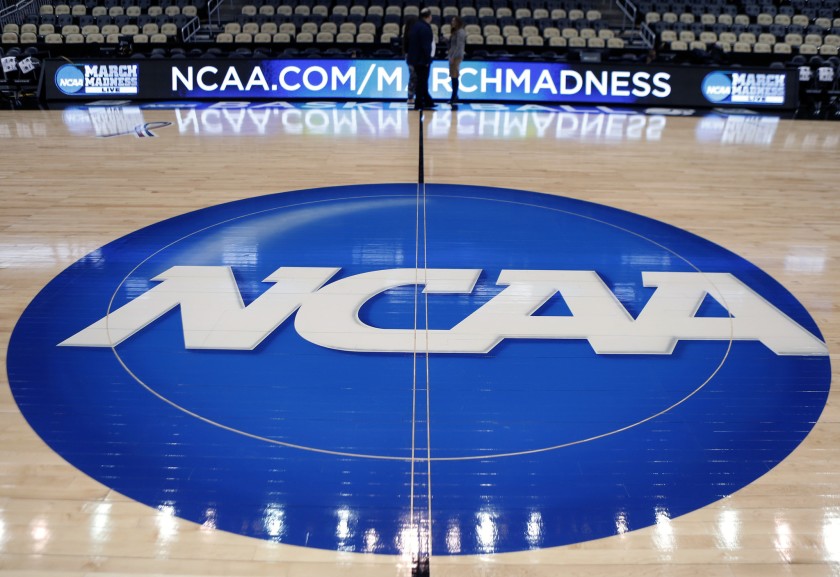
In Europe, athlete development is primarily based on the youth academies of sports clubs, whereas in the United States, this process is tightly linked to the educational system. From middle school through the four years of high school, athletes train within school sports programs, participating in state-level championships. The path of the student-athlete may continue in college, where sports are fully (or nearly fully) regulated by the NCAA (National Collegiate Athletic Association).
NCAA championships are not just regular student competitions but a real business that generates nine-figure revenues, with major events held in large arenas and broadcast live on national television. Despite the importance of success and the following of collegiate sports events, especially football and basketball, the functioning of the NCAA system has been a subject of intense debate for several years. The main issue is related to the concept of amateurism, a fundamental principle on which the NCAA is theoretically based. This concept essentially refers to the status given to the student-athlete: an amateur, not a professional, and therefore no compensation for their sporting performances other than a scholarship to attend college.
This is the core problem with the collegiate sports system: the NCAA generates hundreds of millions of dollars in revenue every year (even reaching a billion dollars in 2016-17), and schools profit from the spectacle provided by their athletes, who, however, cannot receive even a fraction of that profit. For this reason, it is not uncommon for American media to accuse the NCAA of exploiting its athletes.
These discussions have finally led to a historic change. On October 29, the NCAA announced that it had unanimously voted to allow athletes to profit from their name and image. This means that, although athletes will not be paid for their performances, they are free to hire an agent and sign sponsorship deals.
This revolution will not have an immediate effect, but the new rules are expected to come into effect for the 2021-22 season. What will the consequences be? On one hand, this could negatively affect the values and spirit of amateur sports, but it is a necessary reform to clean up a system that has been tainted by several corruption scandals in recent years.
Recently, cases have emerged where universities, in recruiting the most promising athletes from high school, did not hesitate to offer money under the table or in-kind goods to the athletes themselves or their families. A famous scandal involved two Adidas representatives and sports agent Christian Dawkins, who were found guilty of attempting to bribe high school basketball players to persuade them to choose universities sponsored by the German company. NCAA rule violations can even arise from a simple incident like the one that occurred a few weeks ago after the college football final won by the LSU Tigers: after the match, NFL player Odell Beckham Jr. joined in the title celebrations and distributed cash to LSU players. This incident is now under investigation by the NCAA.
For these reasons, as already mentioned, the new rules introduced by the NCAA are necessary (and probably overdue) to restore transparency and credibility to a system that, despite everything, enjoys a level of spectacle and attraction that is admired even in the professional world.
Photo: Keith Srakocic / AP
 BOCCONI STUDENTS FOR SPORT MANAGEMENT
Lascia un commento