
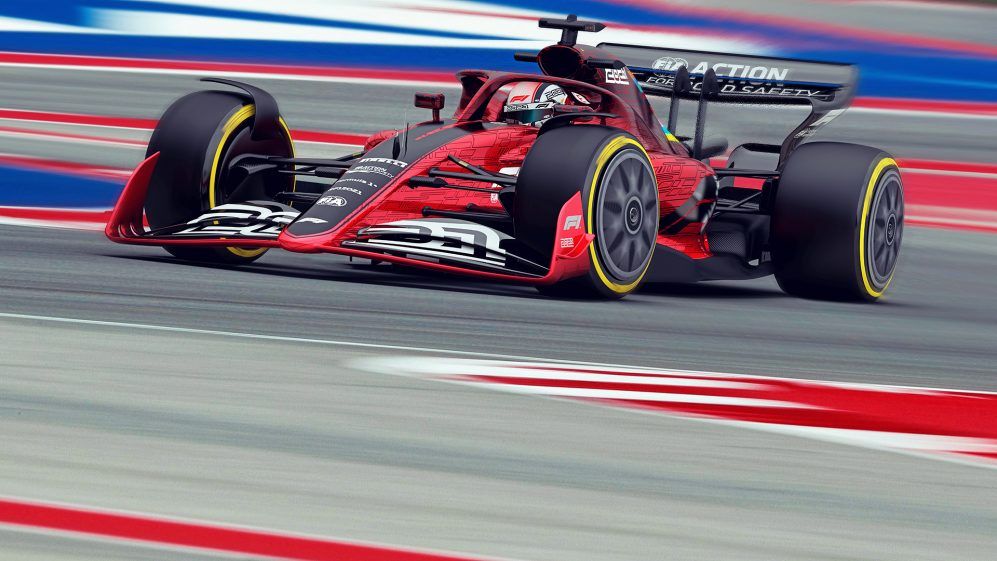
At the end of October, Liberty Media and the FIA officially announced the new regulations that will come into effect in the 2021 season. The goal is to make the battle for the World Championship more balanced and exciting, particularly by reducing the gap between teams and encouraging on-track duels. One of the most important changes, however, is not technical but financial, with the introduction of the “cost cap.”
The idea is inspired by budget control systems already present in American sports and represents another attempt to make the competition between teams more equitable, creating a more appealing entertainment product for the general public in line with Liberty Media’s principles.
The cost cap is designed to be simple and intuitive: teams will be allowed to spend a maximum of 175 million dollars per season for the development of their cars, but there will be no restrictions on other areas such as marketing, driver salaries, production costs, or the salaries of the three highest-paid team members.
At present, it’s unclear how much teams actually spend on development, but estimates range from around 60 million dollars for the smaller teams to over 300 million for those aiming for the title. This impressive gap explains the difference in performance and justifies the introduction of a spending limit.
The FIA has also outlined the control mechanisms and potential penalties. Each team must submit data on development expenses in June for the January-April period (before the season begins during the development phase), and in March for the total costs of the previous season. Penalties will be determined on a case-by-case basis and may include both financial fines and point deductions or track penalties, depending on the severity of the overspend.
The primary goal is clearly to reduce the gap between the “big three” (Mercedes, Ferrari, and Red Bull) and the others, limiting the performance differences between cars as well as the ability to make major adjustments during the season. However, some insiders have expressed concerns. Christian Horner, the team manager of Red Bull, pointed out that it could be problematic for top teams to suddenly cut their budgets, and this regulatory change may have the opposite effect for the upcoming season. Teams forced to reduce spending will likely be tempted to invest heavily in the 2020 season to develop cars for 2021 without limitations, gaining a significant advantage once the cost cap is introduced. Louis Camilleri, CEO of Ferrari, shares this view, admitting that Ferrari will likely have to double some of their costs for the next season but remains optimistic about the changes.
Thus, it’s not guaranteed that the new regulation will lead to greater balance; in fact, it could have the opposite effect in the early seasons. Questions also arise about the fairness of imposing a spending limit in a world like Formula 1, where greater efforts toward research and the development of innovative solutions should be encouraged rather than hindered. It’s no secret that some technologies first applied in racing cars have later been transferred to the cars we drive every day.
The FIA and teams will still have time to fine-tune technical and financial rules to find the best compromise between those calling for more spectacle and those who would prefer more freedom in creating the fastest race cars in the world.
Photo credit: F1.com
 BOCCONI STUDENTS FOR SPORT MANAGEMENT
Lascia un commento