NEWS

​SERIE A’S FINANCIAL REPORT 2023/24 SEASON

Who scored in the Balance Sheet?

The 2023–2024 Serie A season represented a key moment for Italian football clubs financially, marked by solid revenue growth across the league. The collective revenue for the 20 Serie A clubs reached a record €3.8 billion, up from €3.5 billion (+8,6%) in the previous season. This shows that the league is continuing to grow and recover strongly after the pandemic.

Revenue Streams Breakdown:

  • Broadcasting rights: The main source of income was still broadcasting rights, which brought in about €1.48 billion. This amount stayed steady compared to the 2022–2023 season, showing that Serie A remains strong in the media market.
  • Commercial revenues: Commercial revenues rose by 8% to €814 million, thanks to enhanced sponsorship deals, increased merchandise sales, and the growing global visibility of clubs through international partnerships and marketing campaigns. This growth underscores the clubs’ enhanced marketing strategies and expanded sponsorship deals.
  • Matchday revenues: Income from ticket sales and stadium attendance remained steady at €411.2 million, highlighting a return to normalcy in fan engagement post-COVID19 restrictions.

Financial Performance of Top Clubs by Revenue:

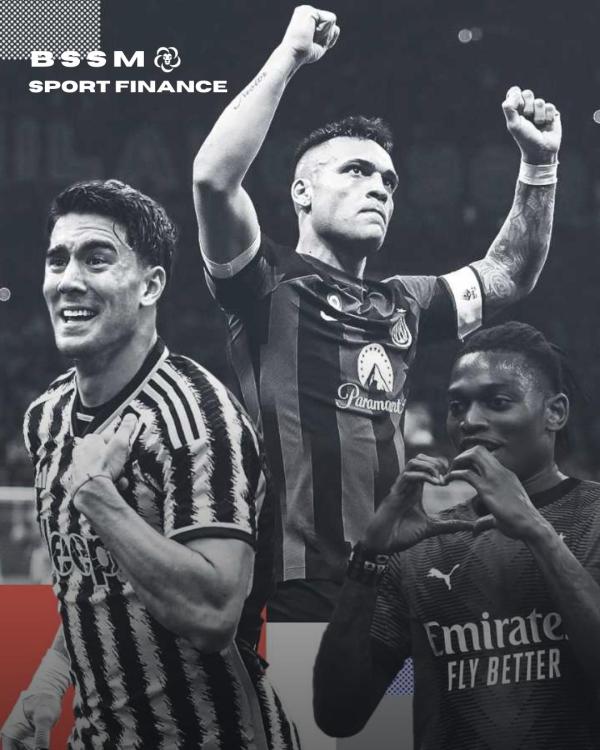
AC Milan, Juventus, Inter Milan and Napoli are the most successful and internationally recognized Italian clubs, and their financial decisions have a significant impact on the overall economic landscape of Serie A.

Club Revenue(€ million)Net Profit / (Loss)(€ million)Key Notes
Inter Milan473.2–35.7Highest revenue in Serie A; strong commercial income; losses reduced via Oaktree capital boost
AC Milan456.9+4.1Second consecutive profit; boosted by Tonali transfer and commercial growth
Juventus394.6–199.2Heaviest loss; absence from European cups impacted revenue; still leads in commercial income
Napoli328.2+63.0Highest net profit in the league; strong cost control

Overall Financial Health:

The aggregate net loss for Serie A clubs in the 2023-2024 season was €369.4 million, an improvement from the €441 million loss in the previous season. Seven clubs reported profits: Napoli led with a profit of €63.029 million, followed by Lazio (€38.494 million) and Lecce (€13.983 million).  

The increase in revenues is a positive indicator, but the persistent high costs, particularly player wages and transfer fees, continue to challenge the financial sustainability of many clubs. The ongoing efforts to balance expenditure with income will be crucial for the long-term economic health of the Serie A League.

by Maddalena Loro

Data sourced from: calcioefinanza.it 

HYROX MANIA: STRENGHT MEETS ENDURANCE – FEATURING UNIQUE INSIGHTS FROM FILIPPO TENCA

What is HYROX?

HYROX is a dynamic fitness competition that combines running with functional workouts, presenting a unique challenge for athletes at all levels. Established in 2017 in Germany by Christian Toetzke, a sports event expert, and Moritz Fürste, a double Olympic field hockey champion, HYROX was created to offer a race format accessible to both elite athletes and fitness enthusiasts. Its standardized structure allows participants to compare their results globally, making it a truly international competition. The event is typically held indoors, in large exhibition halls or sports arenas, and features multiple categories: Individual (Pro and Open), Doubles, and Relay.

Race structure

The core concept of HYROX lies in the combination of strength and endurance, with athletes performing a series of functional workouts while running long distances. The race consists of 8 kilometers of running, combined with 8 functional workouts. The sequence is always the same: 1 km of running followed by: SkiErg, Sled Pull, Burpee Broad Jumps, Rowing, Farmers Carry, Sandbag Lunges, and Wall Balls. This setup pushes competitors not only to maintain speed but also to excel in exercises demanding power, stamina, and technique. While HYROX is fundamentally an endurance race, success hinges on more than just running. The functional exercises at each station require a blend of strength, mobility, and coordination. Unlike traditional races focused solely on running or strength competitions that prioritize power, this format tests athletes across a wide spectrum of physical capabilities. This comprehensive approach makes HYROX a true test of overall fitness, pushing athletes to perform at their best across every aspect of their physical abilities.

The Role of Puma

Puma has played a key role in the development and expansion of this new race format, becoming the official apparel and footwear partner for all events from 2024 to 2027. This partnership has solidified Puma’s presence in the growing fitness sector, launching the Puma x HYROX collection in January 2025, which includes performance-driven gear designed for both training and competition. By aligning with HYROX, Puma entered a rapidly developing market, tapping into a global community of fitness enthusiasts. This early partnership allowed the brand to expand its reach and position itself as a leader in the emerging fitness racing industry. Though it was a bold risk to enter such a niche market, Puma’s decision has paid off, as the brand is now recognized as the top player in the HYROX space. This symbiotic relationship not only boosts Puma’s visibility but also supports HYROX’s mission to equip athletes with the best tools for performance, highlighting how strategic risk-taking in evolving industries can lead to significant long-term rewards.

Unique Insights from Filippo Tenca

To gain deeper insight into this world, I spoke with Filippo Tenca, a well-known face in the Italian HYROX scene and a brand partner of Puma. Filippo holds a personal best of 1:01:01 in the Hyrox Doubles category, achieved alongside Gioele Patroni at the Milan event in 2024. He also clocked an impressive 54:04 in the Team Relay at RiminiWellness 2024, competing with Guido Susani, Gioele Patroni, and Dylan Caruso. To learn more about his journey and passion for the sport, I asked Filippo to take us back to the beginning.

How did you first get into the world of Hyrox, and what initially drew you to a competition that was still relatively unknown in Italy at the time?

“It’s actually quite a funny story,” Filippo begins. “It all started completely by accident. I got home from a night out around 5 a.m.—which is rare for me, since I’m not really into clubbing. Just a few hours later, around 8 a.m., my phone started ringing nonstop. This was back in 2023, right at the beginning of HYROX in Italy. My friends were competing in the HYROX relay in Milan that morning, but one of the team members got sick, so they called me to step in. I showed up with barely any sleep, no specific training, and figured out how the race worked as I went along. My debut was anything but planned, but after that first race, I was hooked.”

Which do you think has a greater impact on overall race performance: the running or the exercise stations?

“Many people think it’s 50-50 between running and the exercise stations, but in reality, running has the biggest impact. While the stations test strength and technique, running requires both physical and mental endurance. If you’re not prepared for the intensity, it can drain you and affect your performance at the stations. In my experience, mastering the run makes the rest of the race much more manageable.”

From your experience, what are the key aspects of effective Hyrox training?

“As I mentioned earlier, running requires special attention. When it comes to the exercise stations, I prefer to focus on mastering one movement at a time. I’m not a fan of mixed circuits where everything is thrown together, leaving you drained without properly refining your technique. Building a solid foundation in each movement is essential for overall performance, and it’s equally important to repeatedly practice each exercise to get faster and more efficient.”

What advice would you give to someone who’s just getting into Hyrox for the first time?

“That’s a great question, my biggest piece of advice would be to focus on running. The exercises can be learned and perfected over time, but running is the foundation of the race. It’s what ties the whole race together and often determines your overall performance. People tend to underestimate it, but in HYROX, running is what makes or breaks your race.”

by Ludovica Di Labio

RED BULL: WHEN A SPONSORSHIP BECOMES A LEGEND

Introduction

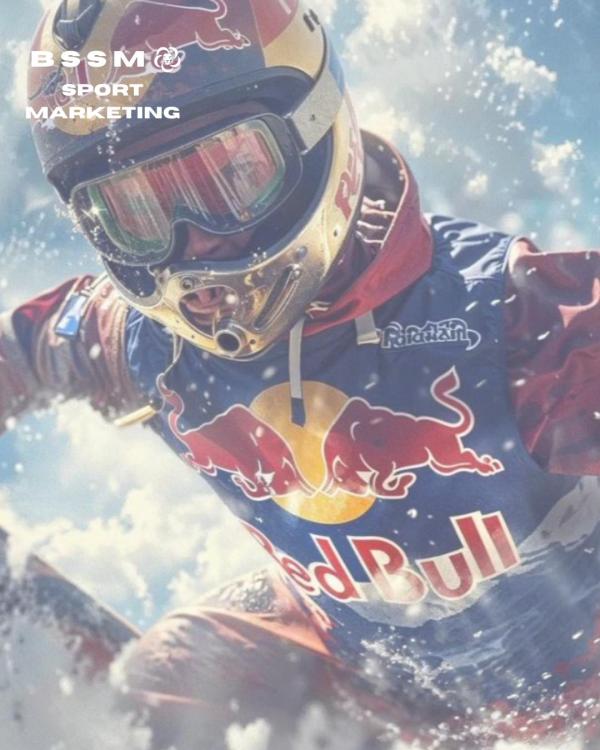
What do a man jumping from space, a Formula 1 car, and an athlete soaring on a snowboard have in common? The answer is simple: Red Bull.
Sports sponsorships are no longer just about visibility; they have become powerful marketing tools that turn a brand into a cultural icon. Red Bull has revolutionized the very concept of sponsorship, transforming it into an engaging narrative and creating an indelible link between its brand and the adrenaline of extreme sports.

Sponsorship marketing: theory and strategy

According to Philip Kotler’s brand positioning theory, a brand is not only distinguished by the product it offers but by the image it builds in consumers’ minds. Red Bull has leveraged the concept of brand association, linking its name to values such as adventure, risk, and pushing boundaries.
Traditional sports sponsorships, like Nike in basketball or Rolex in tennis, focus on logo visibility and association with winning athletes.
Red Bull, on the other hand, has turned sponsorship into storytelling. It doesn’t just put its name on events, it creates, manages, and integrates them as a fundamental part of its brand identity.

The Red Bull case: an empire built on extreme sports

Red Bull started as a simple energy drink, but its market positioning was never confined to the food & beverage sector.
Its marketing strategy has redefined the concept of sports sponsorship. Instead of focusing on mainstream sports like football, Red Bull has built its ecosystem around high-spectacle disciplines such as motocross, surfing, aerobatic flying, and freeriding. It has also created unique events, like Red Bull Stratos, featuring Felix Baumgartner’s jump from the stratosphere, or Red Bull Rampage, an extreme mountain biking competition that leaves audiences breathless.
Athletes are not just sponsored—they are transformed into modern-day heroes. Figures like Travis Pastrana or Kelly Slater embody the brand’s values, making it an integral part of their achievements.

Why does Red Bull’s strategy work?

Red Bull’s strategy succeeds for several reasons.
First, its brand positioning is extremely clear. Red Bull doesn’t just sell a drink; it sells an entire lifestyle experience.
The brand is synonymous with adrenaline, risk, and innovation. Emotions and storytelling play a crucial role: every event or sports partnership is designed to evoke strong and memorable emotions, generating a high level of engagement among spectators.
Additionally, Red Bull has created a community of enthusiasts who are not just consumers but true brand ambassadors.

Lessons for the future

Red Bull’s approach shows that effective sponsorships must be authentic and perfectly aligned with a brand’s identity.

Creating unique experiences that leave a lasting impact on the audience is essential for building a strong relationship with consumers. Sometimes, targeting strategic niches, as Red Bull has done with extreme sports, can be more effective than trying to appeal to everyone.
Red Bull has taught us that sponsorship is not just an advertising investment, it’s a story to be told.

Sources:
• Kotler, P. (2017). Marketing Management.
• Red Bull Official Website
• Forbes (2023). “Red Bull’s Marketing Strategy: How They Dominate Extreme Sports.”

By Alessandro Caldera

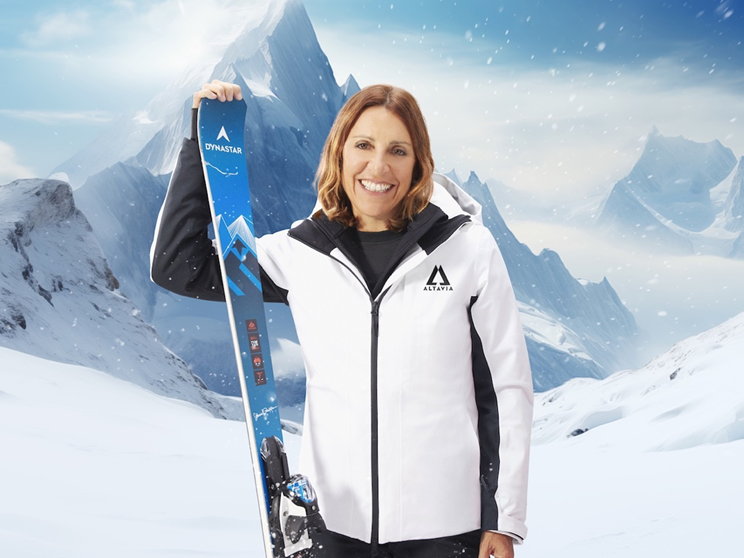
DEBORAH COMPAGNONI & ALTAVIA BY OVS: A WINNING ALLIANCE FOR MILANO-CORTINA 2026

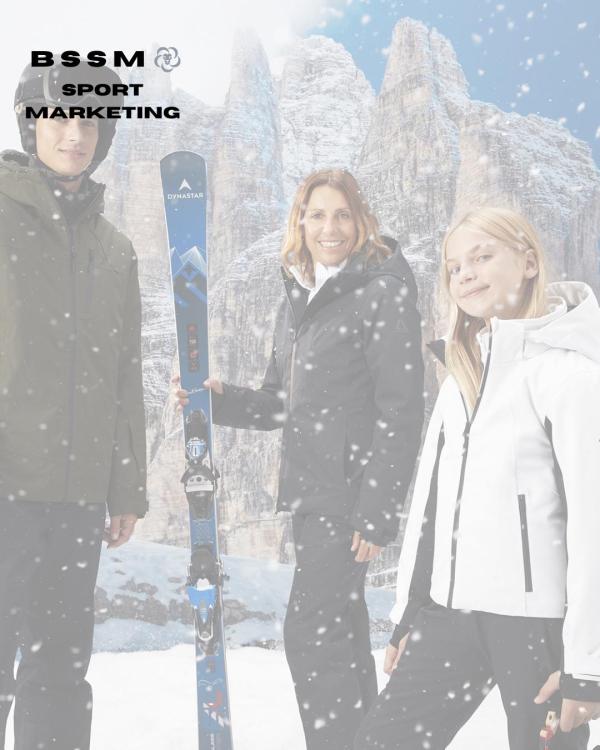
The Winter Olympics in Milano-Cortina 2026 represent a historic event for Italy and an unique opportunity to revitalize winter sports in the Italian territory. With these kind of events, the role of brand ambassadors is crucial, as demonstrated by OVS’s decision to collaborate with Deborah Compagnoni, an Italian icon of alpine skiing and a 3 times Olympic champion.

Compagnoni is not just an extraordinary athlete, but also an inspiring figure for new generations. In fact, through this partnership, OVS aims to reinforce the made in Italy, positioning itself as a leader in winter sports apparel. By leveraging Compagnoni’s legacy, the brand has decided to align itself with values such as determination, success, and passion.

Major sporting events, like the Olympics, are an ideal platform for brands to merge sports, values, and national identity in their marketing strategies. OVS, with the brand Altavia, has seized this opportunity by partnering with an athlete who embodies resilience and achievement, ensuring its campaign is effective and emotionally engaging. Compagnoni’s presence strengthens the perceived value of the brand, promoting winter sports culture while elevating OVS’s status in the market.

Beyond being a sporting event, Milano-Cortina 2026 serves as a clou moment for communication and branding. Companies that recognize the power of athlete support can drive engagement and market growth, with a deeper connection with the consumer. The OVS-Compagnoni partnership illustrates how collaborations with high-profile athletes extend beyond traditional sponsorships, transforming into strategic marketing initiatives that foster deeper consumer connections.

This collaboration underscores a broader trend in sports marketing: leveraging the influence of sports icons to amplify brand messaging. As seen in industries ranging from luxury to lifestyle, the intersection of sports and brand storytelling continues to evolve, creating unparalleled opportunities. With the global sports industry valued at over $500 billion, companies that invest in these kind of partnerships can tap into passionate audiences and build lasting brand loyalty.

Testimonials could be seen not just as ambassadors, but as catalysts for powerful brand stories. For sure OVS is not the only brand taking advantage of stategic partnership, and as Milano-Cortina 2026 approaches, it is likely that other brands will follow OVS’s lead.

by Maddalena Loro

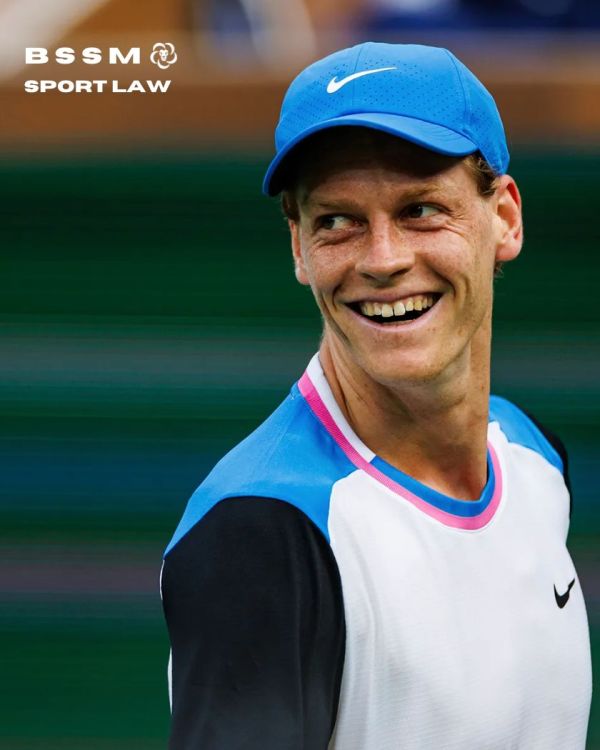
JANNIK SINNER AND THE CONFUSING ANTI-DOPING LEGAL FRAMEWORK IN TENNIS

Doping scandals in professional sports are always controversial, but even more so when the case involves claims of unintentional contamination. The case of Jannik Sinner, the current ATP World No. 1, raised debates on the consistency of anti-doping rulings and whether top players receive more favourable treatment. With WADA having appealed the tribunal’s decision, this case was set to establish a major precedent in sports law and anti-doping regulation.

The Case: What Happened?

In March 2024, Sinner tested positive for clostebol, a banned anabolic steroid, during the Indian Wells tournament. A second out-of-competition test, conducted eight days later, confirmed the presence of the substance. Sinner argued that the contamination was accidental, through his physiotherapist, who had applied on himself a wound-healing spray containing clostebol. Later, without wearing gloves, he massaged Sinner, unintentionally transferring traces of the banned substance onto the player’s skin.

An independent tribunal of the ITIA accepted Sinner’s explanation and found it “credible.” It ruled that he was blameless and without fault, thereby clearing him of suspension. However, as a strict procedural penalty, his results, ATP points, and prize money at Indian Wells were nullified.

Are Top Players Given a Free Pass?

The ruling immediately sparked heated debates about whether elite players get preferential treatment in doping cases. Among the first (and last) to comment was Nick Kyrgios, a player as famous for his brilliance on the tennis court as for his loud and provocative behaviour. Given the Australian’s history of frequent on-court outbursts, fines, and even accusations of tanking matches, Kyrgios implied that lower-ranked players might not have been cleared so easily. Denis Shapovalov also echoed similar concerns, stating that anti-doping decisions are often inconsistent and tend to favour those with better lawyers and stronger institutional support.

A related comparison emerged with the case of former WTA World No. 1 Iga Swiatek, who also faced an anti-doping investigation in late 2024 after returning a positive test for a banned substance. Like Sinner, however, she successfully argued contamination, and the ruling in her favour attracted relatively less media and community scrutiny in tennis.

These incidents reinforced the perception that high-profile players have better legal representation and, often, escape with lighter punishment.

Counterexamples: When High-Profile Players Were Not Spared

History has shown time and again, however, that being a star is no guarantee of clemency. Several big names in tennis have received severe sanctions, proving that strict liability remains the guiding principle in most cases:

  • Marin Čilić (2013) – The former US Open champion tested positive for nikethamide, claiming it was due to a contaminated glucose supplement. He was suspended for nine months, later reduced to four months on appeal.

  • Maria Sharapova (2016) – The five-time Grand Slam champion tested positive for meldonium, a substance recently added to the banned list. Despite insisting she was unaware of the rule change, she was suspended for 15 months.

  • Andre Agassi (1997, Covered Up) – Unlike Sharapova or Čilić, Agassi’s case was never made public until years later. After testing positive for methamphetamine, Agassi submitted a personal letter claiming accidental ingestion, and the ATP allegedly covered up the case—something a lower-profile player likely wouldn’t have been able to negotiate.

These examples suggest that preferential treatment is not always guaranteed. While top players do have advantages in legal defence, history shows that they are not always spared from severe consequences.

WADA’s Appeal and Legal Consequences

Despite the independent tribunal’s ruling in Sinner’s favour, the World Anti-Doping Agency (WADA) appealed the decision, arguing that the tribunal misinterpreted anti-doping principles, particularly strict liability, which states that athletes are responsible for any banned substance in their body, regardless of intent.

In February 2025, Sinner reached a settlement with WADA, agreeing to a three-month suspension from all competitions, including training and coaching. Therefore, he will lose 1600 ATP ranking points and will be ineligible to compete until May 2025, when he is expected to make his return at the Rome Masters.

Conclusion

Jannik Sinner’s case reignited debates about fairness in anti-doping enforcement. While some argued that top players receive more favourable treatment, historical cases suggest that many stars have faced severe punishments in the past.

With the case now settled, this outcome sets a precedent for future accidental contamination claims in tennis and beyond. It highlights the ongoing tension between the need for strict enforcement and the right of athletes to a fair and evidence-based hearing.

It remains to be seen whether sports law will continue evolving to better address cases of accidental doping, or if strict liability will remain the dominant principle in anti-doping regulation.

by Lodovico Sanna

MILANO CORTINA 2026: INVESTMENTS, SPONSORSHIPS, AND THE ECONOMIC IMPACT OF THE OLYMPICS

Milano Cortina 2026 will be the next Winter Olympic Games taking place in less than 400 days. While the primary focus of these events tends to be on the sporting aspects, it is equally important to consider the financial commitments and investments required for such a monumental undertaking.


Regarding this point, sponsorship and the role of finance, in general, play a pivotal role in ensuring the success of the event and maximizing its benefits for the entire country.


First and foremost, the Milano Cortina 2026 Winter Olympic represents a significant opportunity for the italian economy, with a potential impact of over 3 billion euros. The necessary investments span various sectors, such as infrastructure, development, event promotion, operational costs, and, crucially, the involvement of local and international enterprises through sponsorships. In fact, numerous large international corporations have already pledged their support, with a substantial contribution of over 300 million euros toward the total budget. However, the Venetian enterprises have initially shown preliminary doubts regarding the high sponsorship fees to pay (estimated between 2 and 2.5 million euros).


Despite these initial hesitations, local institutions remain optimistic about the involvement of Venetian businesses. Luca Zaia, President of Veneto Region, has conveyed confidence that regional businesses will ultimately recognize the exceptional opportunities the event offers. According to Zaia, the Olympics provide an exceptional opportunity for these companies to gain international visibility.


Similarly, Giovanni Malagò, President of the Italian National Olympic Committee (CONI), reiterated the importance of securing strong local support for the event. The involvement of local industrial leaders as sponsors would symbolize regional commitment to a globally significant event, underscoring the cooperation between the public and private sectors.


The economic impact of the Milano Cortina 2026 Olympics extends far beyond the direct costs associated with organizing the event. Overall, the Olympic Games are expected to generate a considerable economic ripple effect across various sectors. In particular, tourism, hospitality, retail and transportation will see meaningful gains from the influx of visitors from around the globe. According to estimates, around 500,000 international tourists will contribute to temporary and permanent job creation in the host cities and beyond.

by Chiara Arsieni

FOOTBALL BETTING – THE FAGIOLI AND TONEY CASE, ANALOGIES AND DIFFERENCES FROM A LEGAL STANDPOINT

Footballers who bet on football, especially on matches involving their own team or competition, face serious legal, sporting, and financial consequences. In fact, strict rules prohibit players from betting on football in order to preserve the integrity of the game and prevent match-fixing or any perception of unfair manipulation.

The Nicolò Fagioli case is an important example of the legal and sporting consequences that a professional footballer faces regarding accusations related to sports betting. Fagioli is an Italian midfielder currently playing for Juventus and the Italy National Team who was at the center of a sports betting scandal that ultimately lifted the lid on some very grave repercussions from such betting infractions within professional football. A detailed breakdown of the case, both from the legal and sports regulatory perspective, is discussed herein.

After the investigation, Fagioli was temporarily suspended by the FIGC from all football activities during the period the case remained open, which is a common precautionary measure in such cases. Suspension criteria by the FIGC ranged from some months up to a few years, depending on the seriousness of the infringement.

Besides the suspension, Fagioli faces fines or other monetary penalties either by the FIGC or his club Juventus. All that and the player’s commercial value, endorsements and all sponsorships, may take a hit, too, since many clubs and sponsors move away from players embroiled in gambling scandals.

In November 2023, he reached a settlement with the Italian Football Federation, accepting a seven-month suspension. A rather moderate sentence if one takes into account the seriousness of the violation.

This suspension was reduced to five months after Fagioli cooperated with the investigators and attended a rehabilitation program for gambling addiction. The factor that might have influenced the sentence in his case is that sometimes these aspects result in lighter sentences, especially when the player shows commitment to getting the problem resolved.

The Ivan Toney case is another high-profile example of a professional footballer being penalized for breaching sports betting regulations. Like Nicolò Fagioli, Toney’s situation points to how seriously players can be with when involved in gambling activities.

Toney became the subject of one of the big investigations back in 2022 when it was revealed he had placed numerous bets on football matches, including ones involving his own team, Brentford.

He was subsequently charged by the FA for a breach of the betting regulations, particularly those regarding betting under the FA rules. It was found that Toney did this through several online portals. Toney pleaded guilty to these charges. “The FA has been informed by Ivan Toney that he has breached FA Betting Rules, with the matter now referred to an independent Regulatory Commission,” confirmed the FA in a statement.

In May 2023, Ivan Toney was finally served with an eight-month ban from all football activities after going through a disciplinary hearing. The suspension came into effect immediately, thus locking out Toney from participating in any football matches and football events during its duration. Moreover, the Football Association fined him £50,000.

No criminal charges were pressed against him. This is because, per se, betting on football matches and placing bets was not illegal, but on grounds of betting rules violation for footballers, that became an internal matter of football bodies.

The legal risk of criminal prosecution would only arise if Toney had been found to be involved in match-fixing or manipulating the outcome of games, which was not the case here.

Both the Fagioli and Toney cases revolve around violations of football’s betting regulations, with serious penalties for breaching the integrity of the game. However, their cases differ in keyways:

  • Fagioli’s practice of sports betting was, to some extent, justified by addiction to gambling; this fact allowed some mitigation in his sentence, which was partially meant for rehabilitation.
  • The case of Toney is clearer regarding the betting on the outcomes of football matches. While his practices were considered extensive, there were no appeals to addiction.

In both cases, the FA and FIGC took no prisoners in safeguarding against betting infringements and made it clear that integrity and sportsmanship within the game are worth more than the most unfortunate of player situations.

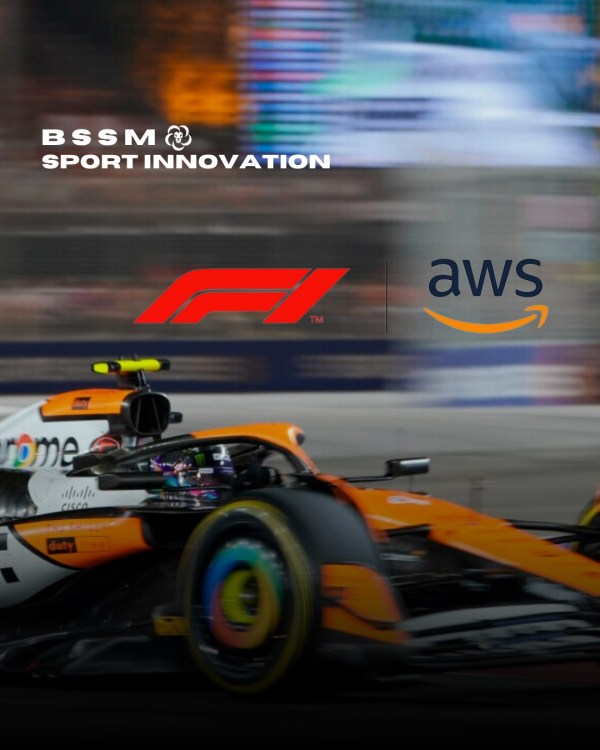
AWS AND F1: AI REVOLUTIONIZES FAN ENGAGEMENT IN FORMULA 1

Formula 1’s fan engagement has increased dramatically in the last few years. The sport has seen a rapid growth in viewership, as one-third of Formula 1’s current fans discovered the sport in just the last four years. Liberty Media’s acquisition in 2017 is what sparked this meaningful change in F1’s approach to reaching fans. Sports moved away from its old reputation and built a strong presence across digital platforms.

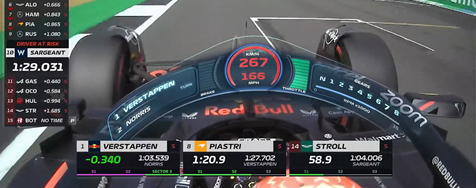
The AWS (Amazon Web Services) partnership in 2018 marked a new chapter in F1’s technological advancement, as F1 fans are witnessing a complete transformation in how they experience the races. Amazon SageMaker built a machine learning system that gives race analytics a new direction. The system processes several data streams, like live telemetry from 300+ car sensors, track condition measurements and historical performance metrics. Each race weekend creates more than 1.5 terabytes of data per car. This massive amount of data turns into practical insights through the AWS F1 partnership.

This collaboration helps create 20 analytical F1 Insights for live TV that changes how fans understand race strategies and car performance. The partnership has a clear goal: innovative technology that brings fans closer to racing action. Formula 1 enthusiasts now have access to live race predictions, strategy analysis, and performance metrics that teams previously kept in their garages. This technological breakthrough has not only improved broadcasts but also created a new way for millions of fans worldwide to get involved. So, AWS highlights how artificial intelligence and cloud computing shape Formula 1’s fan experience.

Live analytics now power F1’s approach to fan engagement. They deliver customized content to 1.5 billion viewers, especially younger audiences. AWS machine learning has revolutionized race insights presentation and made complex racing strategies easily understandable to fans at every level. This analytical approach led to significant growth. There are many specific examples of those insights that make racing approachable for fans.

To begin with, Battle Forecast technology marks a significant advancement in race prediction capabilities. Track history analysis and projected driver pace help predict precisely how many laps a pursuing car needs to reach striking distance of its target. Up-to-the-minute data analysis reveals the complex nature of overtaking and brings fans closer to each race’s strategic elements.

Pit Stop analysis has also fundamentally changed through advanced data processing. The system processes critical metrics including tire wear patterns, competitor positions, track conditions and many more.

The Alternative Strategy solution stands out as the most innovative feature. It simulates different race outcomes based on various strategic decisions. The multiple data points that contribute to this analysis include race pace, tire degradation, weather conditions and track conditions. These technologies help broadcast partners show viewers how different strategic choices could affect race outcomes and displays knowledge that only teams’ strategists previously had.

Thus, the broadcast capabilities have undergone one of the biggest improvements in F1’s viewing experience. The broadcasts display 15-20 graphic overlays that show live updates, from gear indicators to tachometer readings. StatBot, powered by AWS’s generative AI, has also brought a new era to the commentary support systems. This tool gives quick access to historical race data and cuts research time from ten minutes to seconds. Amazon Transcribe helps create automated subtitles in multiple languages and has boosted broadcast efficiency.

In conclusion, AWS and Formula 1’s technological partnership shows how data and artificial intelligence have revolutionized motorsport fan involvement. These analytics give F1 fans the chance to better understand the sport in an easy and insightful way. Processing over 1.1 million data points per second has created an experience that brings fans closer to racing action than ever before and keeps Formula 1 leading sports breakthroughs.

By Yolanda Pandi

THE IMPACT OF CLIMATE CHANGE ON THE FUTURE OF SKI RACING

Climate change is no longer a distant concern but an immediate challenge that is significantly altering winter sports, particularly ski racing. This issue is becoming increasingly visible through changes in snowfall patterns, shorter ski seasons, and a growing reliance on artificial snow. These factors not only impact the sport itself but also on the economic stability of ski tourism.

The Effect of Rising Temperatures on Ski Seasons

In recent years, Europe has experienced unusually warm winters. For example, in January 2023, Switzerland recorded its highest-ever January temperature north of the Alps at 20.2°C in Delemont. This was part of what climatologists described as an extreme weather event. During this time, ski resorts saw spring-like conditions, with snow limited to narrow, artificial strips surrounded by green landscapes. Experts predict that such conditions, including “green Christmases” in the Alps, will become more frequent.

The Growing Reliance on Artificial Snow

Artificial snow has become essential for ski racing, as it creates a surface that meets the requirements of competitions. However, producing artificial snow is expensive. The costs for ski resorts range from $500,000 to over $3.5 million per season. The process depends heavily on energy-intensive equipment, such as water pumps and air compressors, which also require substantial water resources.

While artificial snow has enabled events like the Winter Olympics in Beijing 2022 to proceed, the environmental costs are considerable. For example, creating enough snow for the event required an estimated 185 million litres of water. As temperatures rise, even artificial snowmaking becomes challenging in warmer conditions, making it less reliable.

Economic Challenges for Ski Resorts

Climate change has serious financial implications for ski resorts. Shorter seasons mean reduced income from tourism, while significant investments in snowmaking equipment are necessary to maintain operations. Resorts that are unable to sustain snow coverage may lose opportunities to host major events such as World Cup races, leading to further economic losses. This creates a cycle where resorts struggle to stay profitable while simultaneously facing increasing costs.

Research indicates that by 2040, only ten countries will still have the ability to host snow sports, compared to many more today. Even in optimistic scenarios, the water consumption required for artificial snowmaking could double in some areas. These challenges threaten the future of ski tourism, particularly in regions like Austria and Switzerland, where it plays a vital economic role.

Industry Adaptation and Alternative Approaches

To address these issues, ski resorts and governing bodies are seeking ways to adapt. For instance, the International Ski and Snowboard Federation (FIS) has partnered with the United Nations’ World Meteorological Organization (WMO) to address the impacts of climate change on winter sports. This collaboration will focus on using scientific data to improve snow management and raise awareness of the challenges facing ski tourism.

Some resorts are also exploring ways to diversify their offerings. For example, Werfenweng in Austria provides activities such as alpaca hikes, horse-drawn carriage rides, and tobogganing to attract visitors during winters with less snow. Additionally, efforts are being made to develop more sustainable snowmaking technologies, such as methods that require fewer resources and can operate at higher temperatures.

The Future of Ski Racing

The future of ski racing depends on innovation and adaptation. Artificial snow will remain an essential component of the sport, but its production must become more efficient and environmentally sustainable. At the same time, resorts must find ways to adapt their business models to changing conditions by offering alternatives to traditional winter tourism.

The impacts of climate change are unavoidable, but with collaboration between researchers, sports organizations, and policymakers, it is possible to safeguard the future of ski racing and maintain the cultural and economic importance of winter tourism.

By Alexandra Taub

LVMH’S AND F1 PARTNERSHIPS: A NEW ERA IN SPORTS MARKETING

LVMH and Formula 1 have recently announced a groundbreaking partnership, marking one of the largest deals in motorsport history, valued at 1 billion USD over ten years. This collaboration highlights the popularity of Formula 1, which attracts over 1.5 billion viewers annually, making it one of the most-watched sporting events worldwide.

Recognizing this viewership, LVMH – the global luxury group, owning brands in fashion, jewelry and cosmetics – has integrated several of its brands into the Formula 1 family. Specifically, TAG Heuer will take over as the official timekeeper, replacing Rolex. Louis Vuitton will be responsible for trophy presentations, providing custom-made cases. Additionally, Moët & Chandon will return as the official champagne for the podium celebrations.

Over the years, Formula 1 has evolved into a cultural phenomenon, where racing cars have become symbols of lifestyle, art and culture. This partnership with Formula 1 allows LVMH to maintain its premium luxury image while connecting with new audiences. Together, they can create unique experiences that blend sport with elegant art-de-vivre.

In addition to F1, LVMH has already entered the sports market by sponsoring the 2024 Paris Summer Olympics and acquiring Paris F.C, showcasing the company’s commitment to leveraging sports as a powerful marketing platform. By tapping into the global audience of the Olympics, estimated at over 3 billion viewers, for example, LVMH has created lasting impressions for the brand that extends far beyond the event itself.

The sports industry, valued at over $500 billion globally, presents luxury brands with a platform to connect with consumers and sports enthusiasts alike and create powerful narratives that resonate with their target audience. It offers a unique opportunity for brand visibility, by providing a global stage to showcase products to engaged audiences. And an opportunity to enhance consumer engagement as well, since sports create deep emotional connections with fans, allowing luxury brands to associate themselves with passion, excellence, and aspiration. It is likely that other luxury brands will follow in LVMH’s footsteps and establish similar partnerships that go beyond traditional sponsorships.

In conclusion, the LVMH-Formula 1 collaboration signifies more than just marketing; it marks the beginning of a new era where sports and luxury merge to create mutual benefits.

By Benjamine Daniau-Fricotteau

Sito web creato con WordPress.com.

Su ↑