GRAVINA AT UEFA TO SAVE FOOTBALL: CONTAINING COSTS WITH A SALARY CAP?

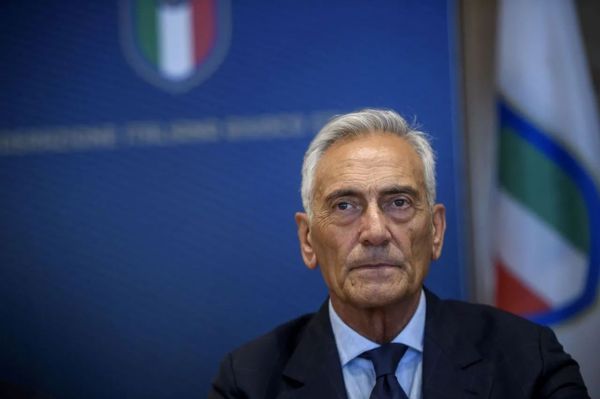
A few weeks ago, the news broke of Gabriele Gravina, president of the Italian Football Federation (FIGC), being appointed as vice-president of UEFA. On April 5, he took the opportunity to thank UEFA President Aleksander Čeferin and his colleagues from the confederation, emphasizing how the appointment was a sign of personal trust and confidence in the Italian Federation, the result of the complex and continuous collaborative work carried out in recent years between the two bodies. Staying in line with this tireless work, President Gravina wasted no time: according to La Repubblica, UEFA has set up a working group, of which Gravina is the coordinator, with the aim of “improving the long-term sustainability of European football.” This new working group includes 11 representatives from national federations, the ECA (European Club Association), the European Leagues Association, FIPRO Europe (the players’ union), and Football Supporters Europe (an association representing football fans). The commission already met in Nyon, the city where UEFA’s headquarters are located, and the topics discussed are particularly current: they range from capital gains to the firm belief that “financial sustainability is crucial for the future of European football.” Although the term “capital gains” was not explicitly mentioned, it is evident that the focus and main concern for UEFA is the transfer market and its distortions. In order to eliminate these, particularly to prevent abuses and ensure equal treatment, the commission has proposed “amendments to the regulations governing the accounting of transfer transactions.”

The long-term perspective, however, is broader: it is clear that the goal is to implement some form of salary cap. La Repubblica reports that a specialized working group has been established to “analyze the impact of national taxes and social charges in various jurisdictions, to develop effective and fair cost control mechanisms. It will also examine the feasibility of specific measures to complement the current squad cost rule.” This would thus lead to a form of salary cap. This term is usually associated with the NBA in the sports world, and it is widely believed to be one of the factors that makes the North American basketball league so attractive. The salary cap, along with the draft mechanism, is a fundamental tool for maintaining balance between teams in the league and preventing the best players from concentrating in a few wealthier teams. The salary cap is essentially a financial ceiling: it represents the total amount of money each team can spend on player salaries. This figure changes slightly from team to team and ensures there is no significant imbalance between franchises; in this way, at least in theory, the more prestigious teams are not advantaged over the smaller teams.

The desire to import this mechanism from the United States has been frequently expressed in the past by many industry professionals and others. Certainly, the need for rules to control costs is more urgent than ever, in a time of general financial crisis in European football, which paradoxically also sees continuous increases in player salaries. According to Calcio e Finanza, President Gravina was already considering possible solutions in 2021. At the margin of an event that year, he had stated, “My proposal is to start putting the cost policy under control. Since we cannot really emulate a proper salary cap because it could clash with European rules or regulations governing free market economies, the idea is to set a limit by not exceeding the costs of the 2020/21 season for the 2021/22 season as a first step. You can exceed it if you want by providing real guarantees or by putting in real financial resources.” In a previous interview, when asked how to save Italian football from its crisis, he had replied that this would only be possible “by respecting the principles of market economy and increasing controls. Sustainability must be our mantra. Certain player salaries are no longer feasible. A salary cap would penalize our clubs too much, and they would no longer be competitive in international cups. I’ve envisioned a kind of luxury tax like in the NBA (a heavy fine imposed when teams exceed the salary cap for three consecutive seasons).” In light of these statements and comparing them with what was reported by La Repubblica, one could conclude that the president may have changed his mind about the possibility of implementing a salary cap, perhaps due to the opportunity presented by now being at the top of UEFA, which allows him to coordinate interventions with EU policies and all European federations. Gravina, however, has always maintained clear positions and ideas on the need to contain the costs of the football system. We can only hope that he now dedicates himself to this mission, in order to save the system from a collapse that seems inevitable with the current pace.

By Rodolfo Bianchini

MONEY VS IDEAS: CONFERENCE ON FOOTBALL AND SUSTAINABILITY AT BOCCONI UNIVERSITY

On the afternoon of Thursday, April 27, a roundtable discussion on sustainability in the world of football took place in the Aula Magna on Via Gobbi at Bocconi University. The panel included important figures from the sector, such as Alessandro Antonello, CEO of Inter; Maria Luisa Colledani, journalist at Il Sole 24 Ore; Laura Giuliani, goalkeeper for Milan Femminile and the Italian National Team; Paolo Scaroni, president of Milan; and Michele Uva, Social and Environmental Sustainability Director of UEFA. The role of moderator was entrusted to Professor Gianmarco Ottaviano from Bocconi University. The title of the conference referenced the recently published book by Uva and Colledani on the subject, which precisely outlines how ideas, along with resources, can contribute to making a football club sustainable.

After the greetings from Professor Donato Masciandaro, director of the Baffi Carefin Center, which organized the event, Professor Ariela Caglio introduced the topic, stating that in football, there is no longer a confrontation with sustainability, but that now the two terms are intertwined. The direction that the football system intends to take is one focused on environmental, social, and economic sustainability, in line with the Sustainable Development Goals of the 2030 Agenda. The initiative Football for the Goals, created by the United Nations, symbolizes this idea. Every fan can also realize how important this topic is for clubs by looking at sustainability rankings, which assess clubs based on ESG dimensions, such as those conducted by Responsible or Brand Directory, which differ in their algorithms but share a common denominator: the clubs’ interest in ESG issues.

A first lever for creating synergies between sustainability dimensions is to measure and communicate, both internally and externally, one’s commitment to sustainability, a true vehicle for value generation. This allows for better decision-making processes, both for the self-discipline of the organization and for accountability to the outside, as well as improving dialogue with stakeholders and investors, raising the overall level of the value creation process. ESG sustainability is complemented by sports sustainability, but the key lever that enables sustainability is innovation, which is crucial for success in football through ideas.

Uva explained that two years ago, when he took on his current role at UEFA, he was tasked with clarifying the issue at the European football level within the organization: “Initially, it wasn’t easy, as social responsibility existed as a form of civil support activity but was not directly incorporated into the strategies of either the institutions or the clubs.” A strategy was then created directly applied to the football product, involving other institutions such as the United Nations, due to the significant communicative power of the sport, thus creating awareness campaigns for fans. Eleven policies were established, seven social and four environmental.

In this process, UEFA had to involve all national federations, requiring them to appoint a sustainability manager, threatening to cut access to UEFA funds (similar to how Larry Fink, CEO of BlackRock, often warned CEOs of funded companies through his letters to pursue corporate sustainability or lose their capital), in addition to approving more than 55 sustainability programs from federations. Change is more complex at the league level, but “we are working on it,” while for the clubs, UEFA licenses were leveraged, requiring them to have a sustainability manager on their team.

By appointing 550 managers in clubs and another 55 in federations, a “community that speaks with a sustainable language, governed by football grammar” has been formed. Uva concluded by announcing that from the European Championship to be held in Germany in 2024, a sustainability measurement system will be available. This is intended to accelerate the process, as the goal is “to become leaders in sustainability and inspire other sports,” through a collective effort by all involved.

Antonello, for his part, clarified how governance models have evolved over time: they were once very simple because the football business was simple, with magnates sustaining clubs with their wealth, revenues coming from stadium ticket sales, and expenses mainly for player transfer fees. Governance has evolved, and today it requires more advanced scientific models, already applied in industrial and service sectors, with football adapting by including highly professional individuals in its workforce.
A fundamental element is managing the atypical nature of football, as it must combine both sporting competitiveness, considered by Antonello as “industry oxygen,” and sustainability as competitive balance, in order to protect the football system and avoid monopolistic positions within the sector.

Modern football, born in the 1980s with TV rights and sponsorships, led to the football economic boom, followed by the introduction of Law No. 91/1981 for professional teams and the 1995 Bosman ruling, which established that European Union footballers can transfer freely at the expiration of their contracts to any club in a member state, as well as the ability to sign a pre-contract with another club six months before their contract ends. Today, the football system competes with the entire entertainment world, with the goal of “working to win people’s free time.”

Regarding international investors, Antonello, on behalf of Inter, feels lucky to “have Suning as a guarantor of stability and a clear strategy, having opened the doors to a global dimension for the club by changing the daily work approach.” From the patronage of the Moratti family, the club transitioned to a more corporate governance model, aiming to compete internationally while also restructuring the company into an entertainment entity, close to the global audience (around 400-500 million people follow the club). President Zhang, who took on his role at 27-28 years old, has proven to be close both in age and mindset to the new generations and the digital world.

Foreign investors, Antonello concludes, bring different methods and cultures, so clubs must align their approaches with those of foreign methodologies. The strong interest from private equity in football has created new phenomena that UEFA is working on, such as multiple ownerships (consider Manchester City and its affiliated clubs) to create an efficient system.

Scaroni, in response to repeated questions about Milan’s stadium, which he humorously described as “a decade-long saga, to the point that some online call me ‘Stadioni’,” continued by explaining how, in football, revenue can be significantly increased with an efficient stadium, without raising ticket prices for fans but by hosting companies that can use the opportunity to attend matches as a promotional tool, a method already employed abroad thanks to the facilities available to European clubs. Italy still struggles to compete with European football, with a revenue gap of around €60 million, putting the economic situation at risk. According to Scaroni, “Football is like climbing two mountains, one of economic results and one of sporting results, and you must reach the top of both at the same time.” He expressed satisfaction with Milan’s progress, as economically, the club halved its losses in the latest financial statement and is very close to the breakeven point in the current fiscal year (though this will need to be verified at the end of the year), while on the sporting side, “we cannot complain.”

The third mountain to climb is sustainability, and Scaroni, on behalf of Milan, fully supports UEFA’s project. Social responsibility is fundamental, believing in the power of fighting against all forms of discrimination through the great communicative power of the football system. Scaroni concluded by stating that every employee of the club must represent Milan’s style, characterized by a moderate language and respect for everyone in the football world. This style has permeated the entire Milan environment, and they feel it is essential to set a good example for fans through their behavior.
Giuliani brought her experience as an active player to the roundtable, stating that as an athlete, one notices that within social sustainability, diversity is a key issue, as athletes from different cultures need to be integrated to improve collective performance: “To build a team with athletes from diverse backgrounds, a common language must be found.”

The goalkeeper also confirmed Milan’s style on behalf of the entire club, aligning with the message conveyed by President Scaroni. “When working with people you don’t know, to achieve results, it’s crucial to consider the human resource as a whole person, not just as an athlete or employee.” According to Giuliani, it’s important to make a teammate feel part of the group in the right context, showing unity and attracting the attention of stakeholders by setting an example, especially for fans. Giuliani, who joined Milan after other experiences, felt “at home because the attention to the individual is so strong, leading me to identify as Laura in all aspects of the working environment.” Being comfortable and making her teammates comfortable has created the conditions for peak performance.

The roundtable ended with an intervention by Colledani, who explained how technology has changed football, stating that attention to data analysis has been present for a long time: “In 2012, Arsenal created a team to analyze data, monitoring players during training and matches, forming a database of all players to optimize their performance, prevent and treat injuries, establish specific diets, determine the best time to achieve peak form, and so on.” Nowadays, mapping everything that happens on the field is so widespread that even second-tier clubs have professionals handling data for the coaching staff.

Technology also aids in scouting, with reports on players from all over the world allowing the value of thousands of players to be assessed (here, the important mention of WyScout, a crown jewel of Made in Italy). Another area where technology proves effective is stadiums: “Germany 2024 will be an event formed by low-impact environmental infrastructures, highly technological, including ticket management, as each fan will be able to communicate the means of transportation they will use to reach the stadium, to help manage traffic around the event.” Regarding fan tokens, which are now popular among supporters, Colledani described them as almost a form of entertainment but also a great opportunity for enthusiasts: in Turkey, for example, important decision-making for clubs is delegated to their holders (such as decisions about kit designs).

“The technological outlook is still growing, as evidenced by the phenomenon of the metaverse, where the goal is to digitally recreate local spaces to further engage fans scattered around the globe.” The shares of these latest innovations are small, but according to Colledani, the growth potential is significant because new generations are attracted to a different way of communicating compared to the past, while still appreciating the importance of a proper balance between the use of technology and human intuition.

The event concluded with a Q&A session, including an important intervention by Paolo Condò, the famous sports journalist, to which the guests promptly responded. It can certainly be said that it was a very pleasant afternoon spent within the walls of the University, both for the guests and for the Bocconi community, which demonstrated a great deal of attention to the topic and showed satisfaction at every key moment of the event. The hope is that many more such events will follow, so that the economic side can increasingly be combined with ideas, especially in a context like football.

By Marco Munari

THE ITALIANS IN EUROPE

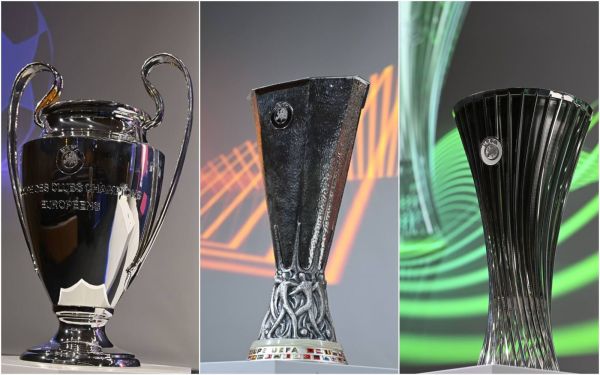
History repeats itself. What has happened in this season’s Champions League so far is truly unexpected. Because no one, at the beginning of the European campaign, would have thought that Italian teams would stand out by reaching a Champions League final.

And destiny is also mocking. Italian teams in Europe are shining, despite the fact that the first matches of the group stages didn’t give much hope. An Inter team that lost immediately on the first matchday against Bayern Munich 2-0, a Juventus team that barely made it to third place after losing 5 out of 6 group stage matches, ending up with the same points as Maccabi Haifa, and a Milan team that started quietly but managed to finish second in their group.

Speaking of the Europa League, Roma finished second in their group behind Betis Sevilla, a team that was definitely beatable, while Lazio failed to get past the group stage against Feyenoord and Midtjylland. Finally, Fiorentina couldn’t top their group in the Conference League against a mediocre Istanbul Basaksehir.

But like in the best action movies, when the situation starts to get interesting, the champions emerge. What no one believed at the start of the European campaign were two things: first, the level of the players in the Italian teams competing in Europe, who seemed, especially in the Champions League, to be of a lower level compared to the other teams, and second, the low regard for the level of Italian football, perhaps thought to be too uncompetitive for European rhythms, showing weaknesses, particularly the lack of new star players. In fact, if you look at the numbers, this year Serie A spent €749.2 million, compared to £2.24 billion in the Premier League, with no purchases appearing in the top 10 most expensive transfers of the season (a list dominated by the Premier League and especially Chelsea, with Real Madrid’s Tchouameni as the only “intruder”).

Moreover, there was little confidence in this season’s signings. First, Milan, which spent a lot on a player who has yet to prove his full worth, Charles De Keteleare. In fact, the team remained the same as the previous season’s winning squad. Inter could again rely on Lukaku, who was injured right from the start, while they had to do without Ivan Perisic. Juventus had strengthened a lot but had lost Paulo Dybala, who went to Mourinho’s Roma. Roma, in fact, seemed to be the only team truly reinforced by the market, but perhaps not enough to compete all the way to the end. Fiorentina had bought Jovic, a player who has so far delivered little, while Lazio had basically remained the same. And finally, Napoli: a completely different team from previous years, with all the flags sent away, in a year when they lost Insigne, Mertens, Koulibaly, and Fabian Ruiz, they managed to have the best market in Europe, although expectations at the beginning of the year were low.

Yet, today, there are 5 Italian teams out of the 7 original participants still in the European semifinals. A fantastic result that rewards the quality of Italian football, certainly in strong development compared to previous years. And the best news is the awareness that at least one Milan team will make it to the final. After 20 years since the last time. Inter-Milan, an eternal rivalry, will make the next 6 days in Milan the hottest in years. From the last semifinal clash between Cuper and Ancelotti, where the Rossoneri came out victorious, many things have changed: first, with the new rules eliminating the away goal, the match would have gone to extra time. Moreover, compared to back then, the main points of contact are Paolo Maldini and Javier Zanetti. The first, now a Rossoneri director, led a defense that, in the three previous meetings before the return semifinal, had never conceded a goal to the Nerazzurri, and a very young Oba Oba Martins was seen running past him from behind, such was the tension of the moment. The second, Javier, had failed to convert a spectacular opportunity in the first leg, in a match where Milan was overtly defensive, as evidenced by President Berlusconi’s outbursts in the locker room at halftime, criticizing Ancelotti for not allowing his players to play more offensively.

Twenty years later, the two teams are no longer even in the same European league, belonging to different groups of foreign countries, but the magic of the Euroderby still seems the same.

Juventus is awaiting their clash with Sevilla, the kings of the cup, while Roma will face Bayer Leverkusen, and the hope of all fans, including former Polish striker Boniek, is for an Italian final, the second in a row for Mourinho’s Roma. Fiorentina will meet Basel, in a challenge that could allow them to reach a magical and historic final for the Viola squad.

The hope is that this moment will continue for a long time, but what all Italian fans can now wish for is at least one Italian team in the final of each European cup (if not four, Juventus or Roma permitting). The rest, as we know, is still to be written.

By Spampinato Antonio

THE RACE FOR THE SCUDETTO IS GETTING MORE EXCITING: FIERY SEMIFINALS ARE COMING IN THE MEN’S SUPERLEGA A1!

  • Milan doesn’t want to stop: now they dream of the final!
  • Piacenza tries the comeback again!

Tension is at an all-time high in the 2022/2023 Men’s SuperLega A1 season. In these decisive days and in the coming weeks, we will find out which two teams will make it to the final and compete for the coveted scudetto of the Italian championship.

Last week, an exciting chapter of the Superlega A1 Men’s league came to an end, with the quarterfinals leaving volleyball fans holding their breath until the very last moment. Trento was the first to secure their spot in the next phase, but the real spectacle was provided by Civitanova, Piacenza, and Milan, who fought in an epic series that went to Game 5 to decide the winners.

The reigning champions of Civitanova had to sweat until the end against a young but tenacious Verona, which showed they would never give up. Piacenza also found themselves in a difficult position, down 0-2 in the series against the new CEV CUP champions, Modena, but they also managed an incredible comeback and advanced to the semifinals.

The surprise of this first phase of the Scudetto Playoffs was undoubtedly Milan, which reached a historic semifinal for the club, eliminating Perugia from the Scudetto race. Despite a first half of the season below expectations, Milan had finished only eighth in the regular season, barely making it into the playoffs. However, Milan managed to make a significant leap in their game in the final phase of the regular season and found balance in their team, eventually winning the long and fiercely contested series against Perugia, which ended 3-2 with a 3-1 final victory.

But it seems that Milan has no intention of stopping: in the semifinals, in their series against the reigning champions Cucine Civitanova Lube, Powervolley Milano leads 2-1 after a convincing away win in Game 3. On Saturday, April 22, they will have the first chance to close the series!

Also, on the third day of the semifinal playoffs, Piacenza caught up with Trento, who had been leading 2-0 in the series, with a 3-0 victory. Will the Piacenza team be able to pull off another incredible comeback like they did in the quarterfinals? Milan, now fully aware of their potential, with the opportunity to play Game 4 at home, will they be able to deliver a decisive victory for their fans and reach the final? We just have to wait and see!

By Hu Zhuhao

MULTIPLE OWNERSHIP: UEFA AT A CROSSROADS

The sale of Manchester United is one of the most talked-about events of the moment regarding off-field issues. The huge global media attention the matter has generated can be traced back both to the names associated with the club as potential buyers, including Al Thani and Ratcliffe, and to the club’s history and importance, regardless of sports results (last Champions League won in 2008, last Premier League in 2013, and last Europa League in 2017). Just as the brand and revenue also remain important, according to La Repubblica, in 2022, Manchester United ranked fourth in the world with a revenue of 688.6 million euros.

But it is the first of these reasons—namely the names proposed as candidates for the club’s purchase—that has once again raised a question that has concerned and continues to concern world and European football, also affecting our country: multiple ownership. Ratcliffe is the largest shareholder of the petrochemical giant Ineos, which owns Nice in Ligue 1 and Lausanne in Switzerland. Al Thani, on the other hand, is the president of Qatar Investment Bank and the son of the country’s former prime minister. In his case, it must be emphasized that in Qatar it is practically impossible for two funds to operate independently, or rather, without the Emir and the president of Paris Saint-Germain, Nasser Al-Khelaifi, agreeing. In the event that the second bid wins, two of the largest European teams, PSG and Manchester United, would be linked to Qatar.

But why is this problem raised despite Article 5 of the UEFA regulations, which prohibits this possibility by stating that “no club participating in a UEFA competition may directly or indirectly hold or negotiate shares or titles of any other club participating in such competition, and no individual or legal entity may have decisive influence over more than one club participating in a UEFA competition”? Or rather, why is there a need for a new rule despite an existing one that clearly prohibits multiple ownership?
It is necessary, first of all, to distinguish the various cases of multiple ownership that have been observed in recent years. For example, when the Suning Group owned both Inter and Jiangsu in the Chinese Super League, the chances of any crossovers on the field were practically nonexistent. This type of multiple ownership did not seem to pose any particular issues. Similarly, the multiple ownerships of the American fund 777 Partners (Genoa, Hertha Berlin in Germany, Standard Liege in Belgium, Red Star in France, Vasco da Gama in Brazil, Melbourne Victory in Australia) and those of the City Group (Palermo, Manchester City in England, New York City in the USA, Torque in Uruguay, Melbourne City in Australia, Girona in Spain, Mumbai City in India, Lommel in Belgium, and Troyes in France) do not seem to pose particular problems today. However, in this case, the conditional is necessary: who can exclude that one of these teams, for example, Palermo, might one day aim for qualification in the Champions League, where it could face Manchester City? The possibility (and the problem that would arise), although it seems very unlikely today, deserves to be addressed. Especially to avoid a repeat of the embarrassment that occurred in 2018 when Leipzig and Salzburg, both clearly connected to the Red Bull Group, were drawn into the same Europa League group, facing each other twice.

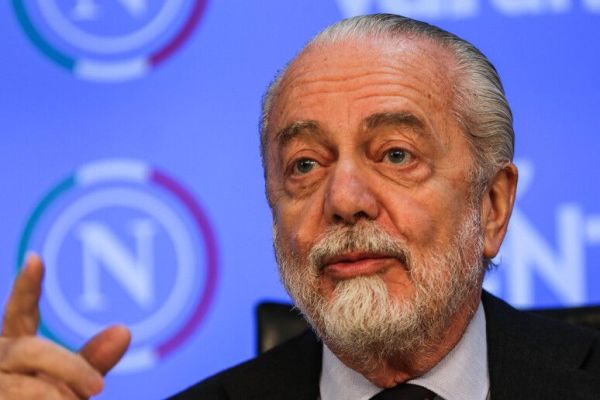
It is also worth remembering the cases that have affected and continue to affect us closely. In Italy, there is currently a moratorium that delays the ban on owning two professional clubs until the 2028/29 season, allowing De Laurentiis to maintain his multiple ownership of Napoli and Bari, and Setti to keep Verona and Mantua. Lazio owner Lotito, on the other hand, was forced to sell Salernitana after the club’s promotion to Serie A, selling it to Iervolino.

According to CIES, the Swiss football research center, there are currently around 200 cases of multiple ownership in football. This situation is further amplified by the growing interest of global financial funds. In fact, many clubs in different countries share the same shareholders, who remain minorities, thus avoiding any control.

This phenomenon appears to be growing continuously, raising doubts among many professionals and others in the football world. Many perceive the risk that leagues and cups could be distorted by multiple ownership. Therefore, UEFA is faced with a decision, where at the two extremes are either strengthening the current Article 5 (thus denying the legitimacy of multiple ownership) or regulating the phenomenon, accepting it, considering the amount of money that financial funds and various figures like Ratcliffe and Al Thani could bring to the sport. UEFA president Ceferin seems to be seriously considering changing the rule. In an interview with Gary Neville, speaking about the subject, he asked Neville for confirmation that no coach or player would accept a presidential order to lose a match because multiple ownership would benefit from it (La Repubblica), perhaps oversimplifying the issue, which is actually delicate and crucial.

by Rodolfo Bianchini

NATIONAL TEAM 360°: THE POST-WORLD CUP, MANCINI AND YOUTH MANAGEMENT, THE ITALO-ARGENTINI, THE CRITICISMS

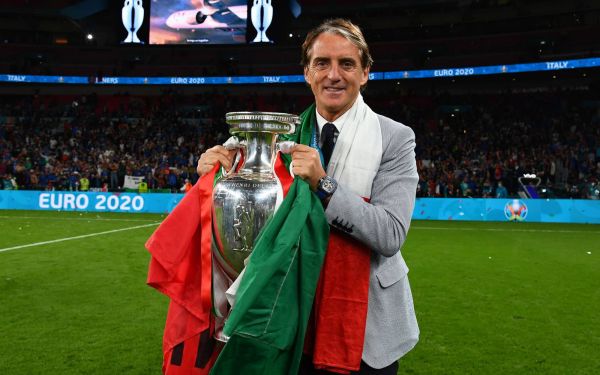
One of the few international breaks scheduled for this season has just ended, the first after the bitter World Cup in Qatar where the Italian national football team did not participate, especially considering that in July 2021, at Wembley, we became European champions by defeating England—a victory still resonating in our memories but swept away by the disappointment of the fatal defeat against North Macedonia in the World Cup qualifiers. Coach Roberto Mancini, however, has remained at the helm of the Azzurri, promising to reach the 2026 World Cup in the United States.

During this break, many discussions have arisen, particularly regarding some statements made by the coach in a press conference, related to the call-ups and results, which, in a normal context, would be acceptable, since a defeat against the more prepared English team and a victory over Malta as the outcome of the two games does not scream scandal. However, the chain of events that led to this situation has sparked many debates. One of these involved the call-up of Mateo Retegui, a 1999-born Argentine-Italian forward from Tigre on loan from Boca Juniors, who responded to his first call-up with 2 goals in 2 matches. The fact that he is an Argentine player, called up for the first time by Mancini, triggered controversies among professionals and fans, as he was thrust into the Azzurri environment as if he had been bought rather than being truly Italian. Retegui is neither the first nor the last “oriundo” (Italian-born player of foreign descent): in the Under-21 squad, Bruno Zapelli, also Argentine, was called up among the Azzurrini. There have been and will continue to be other oriundi, including in future call-ups, as Mancini himself stated in the press conference.

The absence of fully available strikers for the coach led to this choice, which Mancini compared to the way other national teams obtain players from other countries and naturalize them to play. With this strategic choice, there is an opportunity to broaden the talent pool at his disposal. However, let’s not forget the talented young Italians who are already showing the qualities necessary to play for the senior national team, such as Colombo, Udogie, Fagioli, and Miretti (although he is injured), who were called up during this break to the Under-21 team by coach Nicolato, just to name a few.

The debate expands with the recurring theme echoed in all opinions about the Azzurri: we have few talented young players, and these are not being utilized. This is evident to everyone when considering that the percentage of Italians playing in Serie A teams, apart from a few exceptions, is very low; this phenomenon is dangerously spreading even to the youth sectors, where Serie A Primavera teams are full of many foreign youngsters, leaving less space for potential talents born in Italy. Here, the problem can be explained in two ways: either there is no longer potential among Italian youngsters to become champions, or Italian clubs are mainly concerned with results and lack the courage to give more promising youth players from their academies a chance. Returning to Mancini, it is surprising to hear his praise for Pafundi, the 17-year-old forward at Udinese, in response to his call-up for this break, followed by his inconsistent lack of use, possibly due to a lack of boldness or because he was not considered ready.

Mancini’s words and current management have sparked debates because they come after a triumphant European Championship, even from a gameplay perspective, which raised expectations to the sky, only to see them plummet after a dramatic debacle against Macedonia. Following the failure to qualify for the Qatar World Cup, it was thought that all players should be sent home. But the prospect of calling up new players and combining them with the talented homegrown players, who are not few and are already showing their worth, could build a solid and successful national team for the future, making all Italians rejoice in future competitions, like that recent (but also past) July 11, 2021, at Wembley.

Mancini indeed has the great responsibility of delivering results, but also the big challenge of relaunching Italy, silencing the criticisms, which in some cases are exaggerated and shortsighted, typical of fans and professionals.

by Marco Munari

THE ITALIAN DREAM IS STILL ALIVE

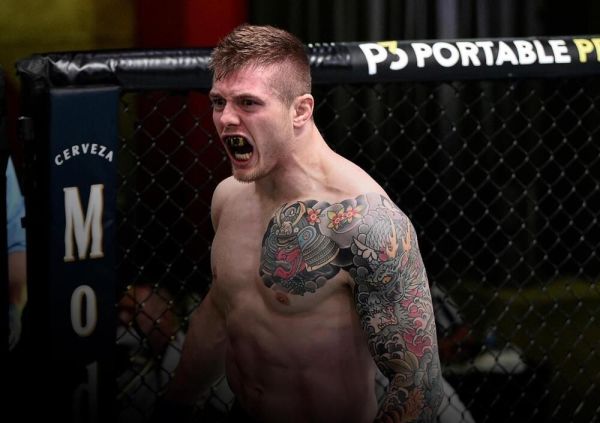
The news of Saturday, March 18th, saw the triumph of Italian Marvin Vettori in the London octagon, defeating Roman Dolidze by unanimous decision and winning UFC 286.

After the tough defeat suffered against Whittaker in Paris, the Italian Dream has returned different, more rational, and more mature, able to manage his energy and tame his opponent’s attacks, striking at the right moment.

The two fighters already knew each other, as they used to train together before Marvin made the decision, a few months ago, to switch teams, moving to Xtreme Couture in Las Vegas and leaving behind his previous gym, the famous KingsMMA, where he had built his previous successes.

The match immediately saw Dolidze start landing some non-trivial punches with great focus. Marvin tries to be more aggressive and not suffer throughout the match while looking for his opponent’s exhaustion, but instead takes more risks by attacking head-on. The start of the match doesn’t seem to favor him, but over time, the great tenacity of the Italian emerges, and some of his moves conclude in the best possible way. In the first round, Dolidze seems to have the upper hand and is more eager (even going as far as throwing an illegal headbutt to his opponent’s chin), but in the second round, Marvin comes out stronger, managing the advantage in the third. The match is very technical and tight, but for his consistency, the judges award the victory to Vettori with a 30-27 score.

The Trentino fighter thus achieved his nineteenth career victory in the UFC, the premier MMA promotion worldwide, positioning himself among the top 5 middleweights in the world. And now the hope for the title becomes even stronger.

by Antonio Spampinato

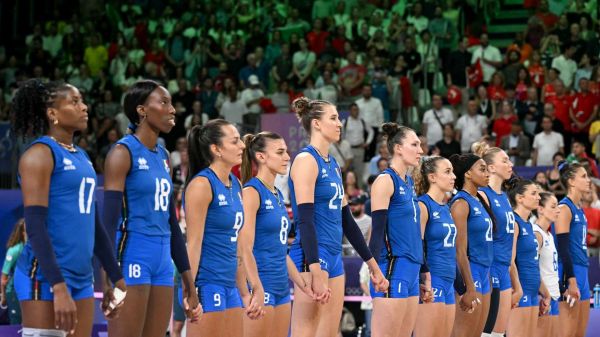
DISAPPOINTMENTS, BITTERNESS, BUT ALSO HOPES: THE DIFFICULT JOURNEY OF ITALIAN VOLLEYBALL IN EUROPE

Italian volleyball has been put to the test in Europe during the quarter-finals of the 2023 Champions League Volleyball: a negative outcome for the Italian teams.

On the men’s side, three Italian teams were competing for a spot in the semi-finals: Perugia, Trento, and Civitanova. There was considerable regret for the Trentino and Marche teams: the two teams had lost 2-3 and 1-3 in the first leg against their opponents, but later showed great courage and spirit in the return leg, winning 3-2 and 3-1 against their opponents, respectively. However, this was not enough: both teams found themselves having to give up their tickets to the semi-finals to their opponents, losing in the golden set (to 15 points). Despite the disappointments and bitterness, hope remains for the Umbrian team of Perugia, which will face the defending champions, the Polish team Zaksa, in the next stage of the competition. The road will be tough, but Perugia has demonstrated that it has the necessary qualities to challenge the best.

As for women’s volleyball, the situation is still open, as the quarter-final phase is not yet over. Currently, three Italian teams are still in the game: Milan, Conegliano, and Novara. However, the first two teams suffered a 0-3 defeat in their respective first-leg matches against Vakifbank and Fenerbahce, both from Istanbul. On the other hand, the Piedmont team of Novara achieved a victory against the German opponents Allianz MTV Stuttgart. The situation is therefore uncertain, and anything can still happen for the Italian teams competing in the 2023 Women’s Champions League Volleyball.

Good and encouraging news, however, comes from the CEV Cup: the Modena men’s team is in the final and will face the Belgian team Knack Roeselaere, which defeated Piacenza in the semi-finals. On the women’s side, the Florence team, Savino del Bene Scandicci, the tournament favorite, won 3-0 in the first leg against the Turkish team THY Istanbul, and they will only need to win two sets in the return leg to reach the final.

by Hu Zhuohao

DE LAURENTIIS’ NAPOLI: A MODEL OF HOPE IN SOCCER DOMINATED BY MONEY

Napoli seems like a perfect machine. With just one loss in the league and a solid 15-point lead over Inter in second place, Spalletti’s team is on its way to a historic Scudetto, their first since the Maradona era. This situation seemed unthinkable after the turbulent summer experienced by President De Laurentiis: Napoli not only parted ways with their historic captain Insigne and symbolic player Mertens (not renewed despite his willingness to stay) but also sold Koulibaly and Fabian Ruiz, both nearing contract expiration and sacrificed for modest fees to avoid losing them for free. In essence, the team’s core was dismantled.

Yet, this past summer, De Laurentiis once again demonstrated his management philosophy: with a solid project based on the ideas of coach Luciano Spalletti, Giuntoli (Napoli’s sporting director) brought in young, unknown players, contrary to fans’ calls for high-profile signings. Leading this list are Kvaratskhelia and Kim.

What unites most of Napoli’s players is their exponential growth in recent years. They are all players developed and improved under Spalletti, proving once again that ideas and hard work on the field can triumph over money and assembling a team of big-name players. Osimhen, Kvara, Di Lorenzo, Lobotka, Kim, and others exemplify this.

The Napoli model is an example of sustainable soccer. In today’s game, achieving great sporting performances while maintaining financial stability seems nearly impossible. All major teams face challenges in this regard, yet Napoli has shown that with a competent sporting director in the transfer market, a skilled coach on the bench, and the right mix of young talent, experienced players, investments, and sales, sustainable soccer is still possible.

By Andrea Dapavo

FOREST GREEN ROVERS: WHEN SOCCER AND SUSTAINABILITY UNITE

In England, there is a soccer team in Nailsworth, Gloucestershire, with a fascinating story: the Forest Green Rovers. This English soccer team is making a difference in the sports world by adopting a fully sustainable approach. Founded in 1889, the team is known for its environmental sustainability policy, which has led to a series of innovative initiatives drawing attention worldwide.

This transformation began in 2011, when the club, struggling with financial issues, was acquired by entrepreneur Dale Vince. Vince is a green energy entrepreneur, founder, and president of Ecotricity, where all profits are reinvested into new projects to create increasingly cutting-edge forms of sustainable energy.

Vince immediately implemented key measures to make the team environmentally friendly: solar panels were installed on the stands, and the playing surface was replaced with 100% organic grass maintained by a solar-powered robot lawn mower and irrigated using an eco-friendly rainwater collection system. Fossil fuels were banned, and electric cars and vans were purchased, with free charging stations made available at the stadium parking lot for fans and the community. The players wear kits made entirely from fabric derived from recycled coffee grounds and plastic.

These innovations earned Forest Green the Institute of Groundsmanship’s “Sustainability and Environment” award.

The players’ diet was also radically changed to a vegan one, educating team members to follow a dietary regime that minimizes environmental impact. For this choice, Forest Green Rovers received the support of the Vegan Society, the world’s oldest vegan organization, which provides nutritional and environmental education programs. Fans were involved in the project as well: vegan food stalls appeared outside the stadium, where staff educate supporters about making more sustainable dietary choices.

In 2018, the team was named the world’s most sustainable soccer club by the United Nations Framework Convention on Climate Change (UNFCCC). That same year, it became the first soccer club globally to achieve “Carbon Neutrality” certification, balancing emissions produced and absorbed as per UN protocols.

This model seems to point toward success on the field as well. In just a few years, the green-and-black team became one of the strongest in England’s lower leagues, debuting this season in League One, the third tier of English soccer, for the first time in its history.

The next step is constructing a 5,000-seat stadium made entirely of wood. It will be the centerpiece of a sports complex called Eco Park, comprising many other sports facilities, offices, and scientific research labs. The choice of wood as the primary construction material perfectly embodies the ecological philosophy of the Rovers’ board. Additionally, the timber used will come from sources that respect tree regeneration cycles.

In short, seeing how a soccer club, even in the lower leagues, follows such a virtuous path suggests that other clubs could—and perhaps should—draw inspiration to make the soccer world increasingly sustainable.

By Marco Munari

Sito web creato con WordPress.com.

Su ↑