THE IMPACT OF CLIMATE CHANGE ON THE FUTURE OF SKI RACING

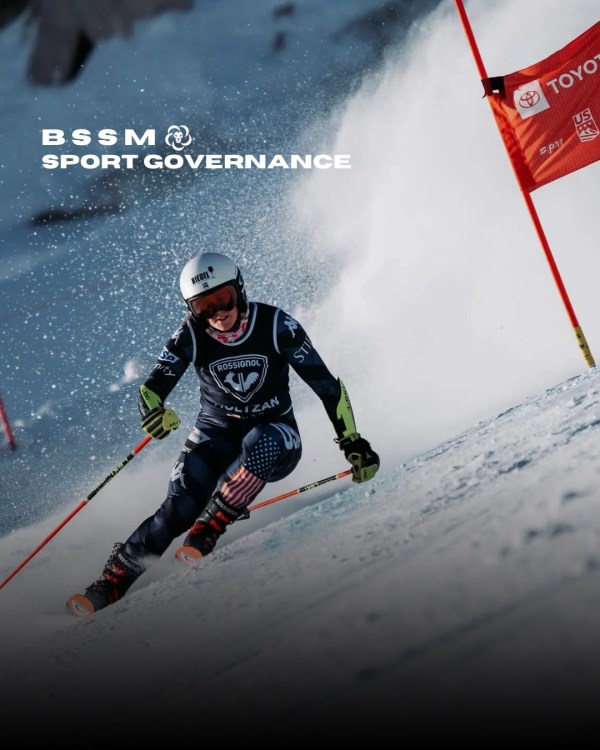
Climate change is no longer a distant concern but an immediate challenge that is significantly altering winter sports, particularly ski racing. This issue is becoming increasingly visible through changes in snowfall patterns, shorter ski seasons, and a growing reliance on artificial snow. These factors not only impact the sport itself but also on the economic stability of ski tourism.

The Effect of Rising Temperatures on Ski Seasons

In recent years, Europe has experienced unusually warm winters. For example, in January 2023, Switzerland recorded its highest-ever January temperature north of the Alps at 20.2°C in Delemont. This was part of what climatologists described as an extreme weather event. During this time, ski resorts saw spring-like conditions, with snow limited to narrow, artificial strips surrounded by green landscapes. Experts predict that such conditions, including “green Christmases” in the Alps, will become more frequent.

The Growing Reliance on Artificial Snow

Artificial snow has become essential for ski racing, as it creates a surface that meets the requirements of competitions. However, producing artificial snow is expensive. The costs for ski resorts range from $500,000 to over $3.5 million per season. The process depends heavily on energy-intensive equipment, such as water pumps and air compressors, which also require substantial water resources.

While artificial snow has enabled events like the Winter Olympics in Beijing 2022 to proceed, the environmental costs are considerable. For example, creating enough snow for the event required an estimated 185 million litres of water. As temperatures rise, even artificial snowmaking becomes challenging in warmer conditions, making it less reliable.

Economic Challenges for Ski Resorts

Climate change has serious financial implications for ski resorts. Shorter seasons mean reduced income from tourism, while significant investments in snowmaking equipment are necessary to maintain operations. Resorts that are unable to sustain snow coverage may lose opportunities to host major events such as World Cup races, leading to further economic losses. This creates a cycle where resorts struggle to stay profitable while simultaneously facing increasing costs.

Research indicates that by 2040, only ten countries will still have the ability to host snow sports, compared to many more today. Even in optimistic scenarios, the water consumption required for artificial snowmaking could double in some areas. These challenges threaten the future of ski tourism, particularly in regions like Austria and Switzerland, where it plays a vital economic role.

Industry Adaptation and Alternative Approaches

To address these issues, ski resorts and governing bodies are seeking ways to adapt. For instance, the International Ski and Snowboard Federation (FIS) has partnered with the United Nations’ World Meteorological Organization (WMO) to address the impacts of climate change on winter sports. This collaboration will focus on using scientific data to improve snow management and raise awareness of the challenges facing ski tourism.

Some resorts are also exploring ways to diversify their offerings. For example, Werfenweng in Austria provides activities such as alpaca hikes, horse-drawn carriage rides, and tobogganing to attract visitors during winters with less snow. Additionally, efforts are being made to develop more sustainable snowmaking technologies, such as methods that require fewer resources and can operate at higher temperatures.

The Future of Ski Racing

The future of ski racing depends on innovation and adaptation. Artificial snow will remain an essential component of the sport, but its production must become more efficient and environmentally sustainable. At the same time, resorts must find ways to adapt their business models to changing conditions by offering alternatives to traditional winter tourism.

The impacts of climate change are unavoidable, but with collaboration between researchers, sports organizations, and policymakers, it is possible to safeguard the future of ski racing and maintain the cultural and economic importance of winter tourism.

By Alexandra Taub

LVMH’S AND F1 PARTNERSHIPS: A NEW ERA IN SPORTS MARKETING

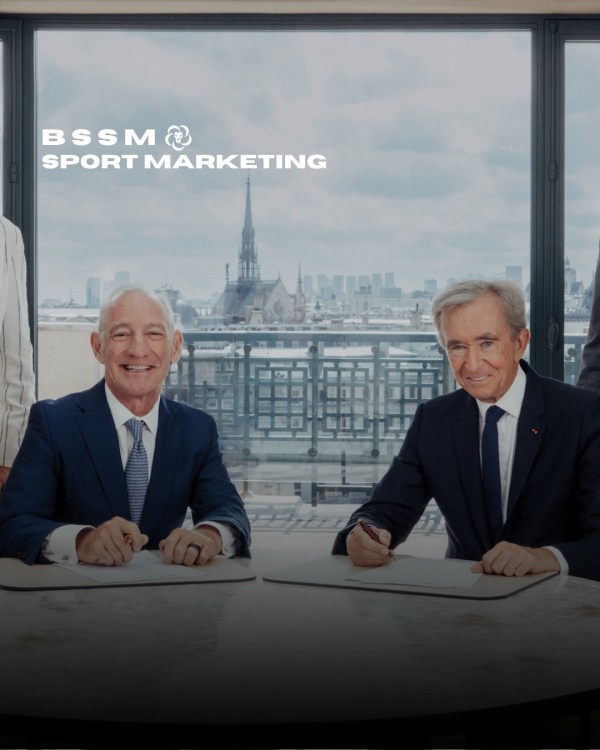
LVMH and Formula 1 have recently announced a groundbreaking partnership, marking one of the largest deals in motorsport history, valued at 1 billion USD over ten years. This collaboration highlights the popularity of Formula 1, which attracts over 1.5 billion viewers annually, making it one of the most-watched sporting events worldwide.

Recognizing this viewership, LVMH – the global luxury group, owning brands in fashion, jewelry and cosmetics – has integrated several of its brands into the Formula 1 family. Specifically, TAG Heuer will take over as the official timekeeper, replacing Rolex. Louis Vuitton will be responsible for trophy presentations, providing custom-made cases. Additionally, Moët & Chandon will return as the official champagne for the podium celebrations.

Over the years, Formula 1 has evolved into a cultural phenomenon, where racing cars have become symbols of lifestyle, art and culture. This partnership with Formula 1 allows LVMH to maintain its premium luxury image while connecting with new audiences. Together, they can create unique experiences that blend sport with elegant art-de-vivre.

In addition to F1, LVMH has already entered the sports market by sponsoring the 2024 Paris Summer Olympics and acquiring Paris F.C, showcasing the company’s commitment to leveraging sports as a powerful marketing platform. By tapping into the global audience of the Olympics, estimated at over 3 billion viewers, for example, LVMH has created lasting impressions for the brand that extends far beyond the event itself.

The sports industry, valued at over $500 billion globally, presents luxury brands with a platform to connect with consumers and sports enthusiasts alike and create powerful narratives that resonate with their target audience. It offers a unique opportunity for brand visibility, by providing a global stage to showcase products to engaged audiences. And an opportunity to enhance consumer engagement as well, since sports create deep emotional connections with fans, allowing luxury brands to associate themselves with passion, excellence, and aspiration. It is likely that other luxury brands will follow in LVMH’s footsteps and establish similar partnerships that go beyond traditional sponsorships.

In conclusion, the LVMH-Formula 1 collaboration signifies more than just marketing; it marks the beginning of a new era where sports and luxury merge to create mutual benefits.

By Benjamine Daniau-Fricotteau

THE TECHNOLOGY BEHIND SPORT BRAS

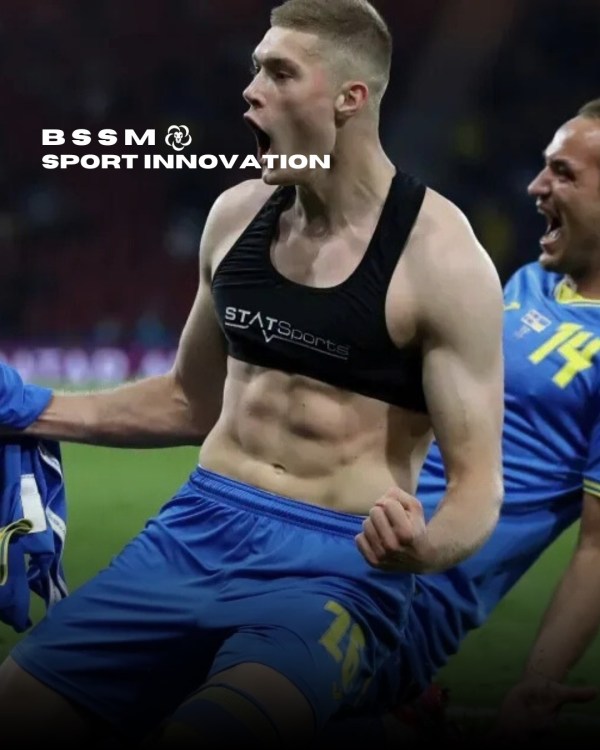
In recent years, we have surely noticed that footballers now wear some kind of bra during every single match, and it is not just a simple muscle band but a real hi-tech item called sport bra.
The sport bras are worn under the shirt at chest height; they contain a GPS system that records everything that happens and everything the player does on the pitch, obtaining telemetry of the player’s path. The GPS system is positioned at the back, i.e. on the players’ backs, and is held firmly and securely on the bra and does not only keep track of the kilometres travelled but literally everything that happens on the pitch during the game.
Thanks to the satellite link, this instrument records everything: movements, accelerations, changes of direction, number of impacts with the ball, heart rate. The bra is a real performance tracker.
Using the data obtained, the technical staff of a team can trace back every number needed and scientifically analyse the performance – both physical and tactical – of each individual footballer in minute detail.
It is worn by footballers of all positions, even goalkeepers, as it is a comfortable, practical, lightweight garment, optimised for running and competitive activity and which, despite the GPS on its shoulders, does not impede any kind of contrast or movement on the pitch.
Technology has become an indispensable and fundamental tool for monitoring the performance and analysing the performance of players, not only in official matches but also during training. It is very indicative of a player’s on-field behaviour and health.
The first to use such technology was Zlatan Ibrahimovic and was initially used by maniacal professionals who wanted to keep an eye on their performance. Today, it is not only used by top professionals but by practically everyone with the aim of growth and improvement.
It would be interesting to unveil this data to viewers and maybe even live, as already happens in other sports, but for now it remains reserved for insiders.

By Alessandro Caldera

Sources:
• Radio Deejay
• La Gazzetta dello Sport
• Sport magazine

THE KAEPERNICK’S CASE

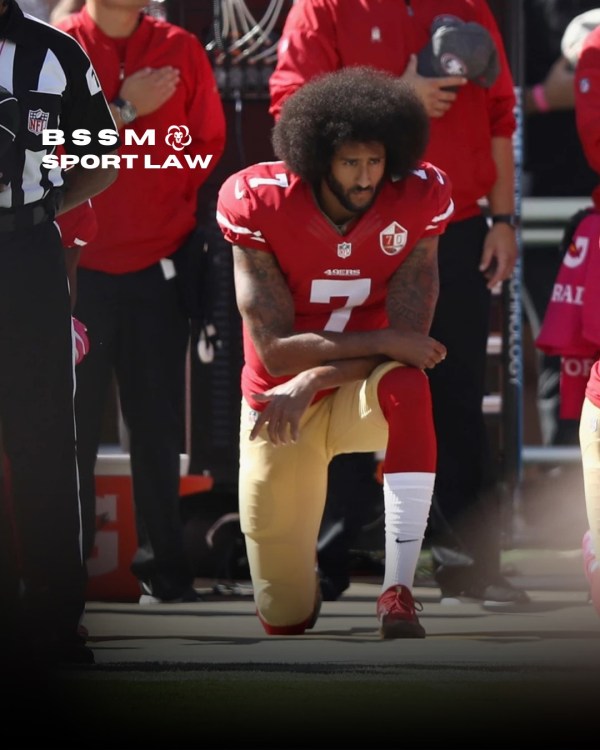
The case of Colin Kaepernick has made quite an impact on both the sporting world and laws governing free speech, workplace rights, and race relations in the U.S. He was an NFL quarterback who courted controversy by kneeling during the National Anthem in the 2016 NFL postseason to protest racial injustice and police brutality.

His actions have since ignited countless national conversations about the intersection of sports and politics with social justice issues, prompting numerous legal or legislative responses that continue to reverberate into the present day. 

At the beginning of his protest, Kaepernick found himself immersed in controversies, while some hailed him as one who spotlighted matters affecting minority communities and others condemned him for dishonoring his national identity. This raised the question of employee rights, particularly on politicians speaking for their institutions in sports.

Kaepernick’s kneeling, however, resulted in his departure from the National Football League. After the 2016 season, he had become a free agent, and no team would take him in-an apparent retaliation against Kaepernick on grounds of his protests. In 2017, he had filed a lawsuit against the NFL under the collective bargaining agreement, stating team owners colluded to keep him out of the league on account of his activism. It put forth stark questions about the rights of employees and their status in public life. 

This case raised important questions surrounding free speech connected to the workplace. While First Amendment freedoms safeguard individuals against government reprisals, private employers-most specifically, NFL teams-have greater liberty in controlling speech. Nonetheless, this case invited conversations on whether or not there should be protection for an employee’s expression concerning social justice issues from potential eventual retaliation from the employer. 

Since the outcome of Kaepernick’s lawsuit was confidential, information has leaked that the settlement was reached in early 2019 with many estimates placing the amount in the tens of millions paid by the NFL. Seeing that resolution which drew light on the peculiar circumstances of Kaepernick’s case, allowed other athletes to be free in their activism, knowing they would be able to use the law to defend themselves if they encountered retaliation for their beliefs.

This wider context has spurred the Kaepernick case to foster an emergent trend of athletes speaking out on social issues, most directly embodied in movements like Black Lives Matter.

Kaepernick’s case also ignited legislative proposals focused on improving worker protections for employees who voice political concerns. In recent years, numerous states have crafted new laws prohibiting the reprimanding of employees for speaking out on political issues, a testament to the growing conviction that free expression deserves protection in every walk of life, within the workplace being one of them. 

To sum it all up, the Kaepernick case pushes itself into a potent milestone on the intersection between law, rights at work, and the world of sports. It opened room for vital discussions on the right of employees to express political beliefs and provided a highlight on the need for more robust protections in places of work, especially those working in sports. 

by Paolo Zalum

THE BALLON D’OR FINANCIAL BACKGROUND

On October 28, the Ballon d’Or was once more confidently awarded at the grandeur of Paris annual ceremony at the Théâtre du Châtelet. Every year it awards respectfully the best male and female football player of the season. The winner of this edition, the Manchester City and Spain midfielder Rodri, has just entered a very short list of football legends who won the prestigious trophy, after an outstanding season with the club topped by the triumph at Euro 2024. It is surely a new chapter in this year’s book, for it is the first time since 2003 that Lionel Messi and Cristiano Ronaldo have not been nominated.

The Ballon d’Or is more than just an award given away by France Football; in the last twenty to thirty years, it has become a symbol of excellence in football. There is also a larger financial significance that such awards hold for the players and the clubs. Below are some notable issues in the financial context that we’ll examine today.

Although winning itself doesn’t come with a big-money prize, the earning prospects of players after winning increase with endorsements, sponsorships, and bonuses from clubs.

Of course, the ceremony attracts major sponsorship deals and broadcasters put up great money for the event generating considerable revenue. Such are some of the assets any player will realize.

For these players, winning, or even just being nominated, drives up their market value, allowing the clubs to demand a higher transfer fee. Winning a Ballon d’Or increases a footballer’s market visibility, leading to even greater endorsement contracts, not just within the football fraternity. Major brands play on this, hurling hefty sums to encourage top players to star for their campaigns. Luxury brands make great use of footballers in their collections.

Clubs will benefit from these prestigious awards as well. One might say there are several ways in which clubs can benefit financially from the Ballon d’Or. The first and most crucial of these gains is the visibility and fame that comes after of winning, thus attracting more sponsors and fans. The awards would notably increase the players’ selling values and merchandise sales in jerseys and stadium tickets leading to an inflow of money for the club as well.

On the other hand, having a Ballon d’Or winner allows the club to negotiate better sponsorship contracts and attract larger firms seeking to build an association with success.

They get more visibility in the media, which may also raise their marketability, leading to better broadcasting rights deals. Furthermore, the attention of the whole world on the award is likely to help clubs widen their global fan base, opening new avenues in merchandise sales and in partnerships. Especially in the last ten years all the big clubs in European football have started to expand their horizons outside of Europe towards America and Asia, in order to attract new interests that would hopefully result in new partnerships.

Overall, the financial backdrop of the Ballon d’Or is, then, inextricably linked to the commercializing aspects of football, which further enrich the economic landscape of the game. Therefore, although this ceremony clearly is a celebration of the player’s status, we must remember all the financial benefits it brings.

By Giacomo Molinario

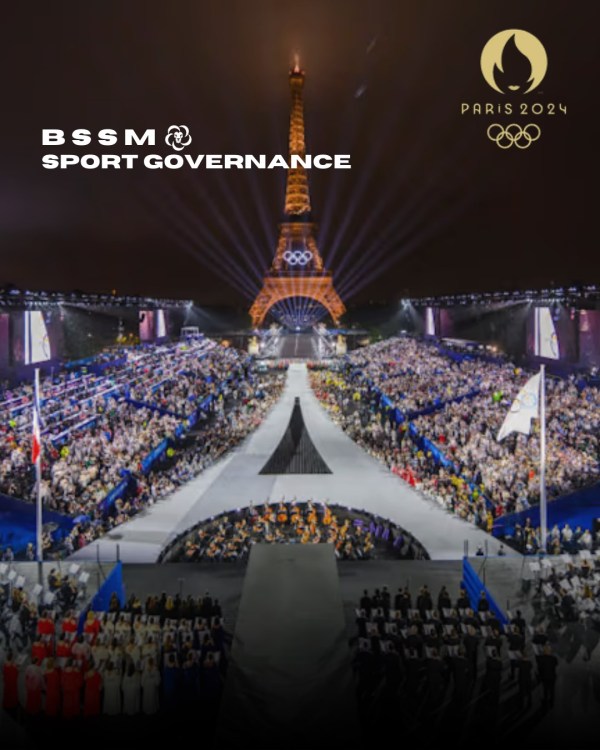
PARIS 2024 OLYMPICS: A COMPLEX GOVERNANCE SHARED BETWEEN MANY STAKEHOLDERS

The Paris 2024 Olympic Games were one of the most anticipated international sporting events of the decade. More than a century after hosting the Games in 1900 and 1924, the French capital welcomed athletes from 204 nations, from July 26th to August 11th, 2024. They competed in 48 sporting disciplines over 329 events. These Games were an opportunity to celebrate not only athletic performance but also the values of inclusion, sustainability, and innovation that Paris aimed to highlight in this edition.

The stakes of these Games were going far beyond the sporting competitions. Interests on the economic, social and environmental as well as technical levels were definitely part of the occasion. Organizing an event of this magnitude required robust governance and coordination among several key bodies. The management of the 2024 Paris Olympic Games relied on a complex structure, involving a wide range of stakeholders, from international to local organisations and from public to private entities. This article delves into the governance of the Paris 2024 Olympic Games, exploring the roles and missions of the various governing bodies.

International Olympic Committee (IOC):

The International Olympic Committee was the international non-governmental organisation responsible for overseeing the Olympic Movement. It held significant power over the governance and execution of the Games, playing a supervisory role as well as providing guidance for the other governing bodies. It monitored that the provisions of the Host City Contract and international guidelines were respected, and that specific milestones were reached.

One of its main missions was to ensure that the Paris 2024 Olympic Games complied with Olympic Charter. This included promoting peace through sport, fair play, integrity and sustainability. The International Testing Agency, a subsidiary of the IOC, ran rigorous anti-doping controls before and during the Games.

The IOC was also in charge of ensuring that the Games met sustainability goals, reducing their carbon footprint and leaving a legacy that would benefit the local community. They promoted diversity and inclusion values as well, putting Human Rights and open mindedness at the centre of the Games.

In addition, the IOC controlled the sales of the media and broadcasting rights for the Games and managed the overall marketing of the Olympic brand. As a part of the TOP (The Olympic Partner) program, the IOC was also responsible for securing sponsorship from global companies.

Paris 2024 Organising Committee for the Olympic Games (OCOG):

The Paris 2024 Organising Committee was the main body responsible for planning, organising, financing, and delivering the Olympic Games, with a broad range of missions.

It managed all operational aspects of the Games, including sports event planning, ticketing, and volunteer coordination. It also supervised venue preparations, ensuring they were meeting the required standards for receiving the competitions and spectators.

Furthermore, the OCOG played a central role in handling the collaborations with the French government, local municipalities, and security forces. The goal was to make sure that public services such as transport, security, and healthcare were well integrated during the Games.

Besides, the Paris 2024 OCOG was in charge of promoting the Games domestically and internationally. It created and implemented marketing campaigns around the official Paris 2024 brand, including the logo and the iconic Phryges (mascots). The committee also oversaw ticket sales and fan engagement. Regarding sponsorship, the OCOG secured national partnerships with French companies.

A key objective for the OCOG was also to host the first “climate-positive” Olympic Games. In this way, they focused on renewable energy, sustainable venue design, and minimizing waste. The OCOG collaborated with the IOC and Solideo to meet these targets.

Solideo (Olympic Delivery Authority):

Solideo was the public sector organisation tasked with financing, supervising and delivering the Olympic facilities. This included the development and redevelopment work required to host the Paris 2024 Olympic. Beyond the immediate delivery of venues and facilities, its main goal was to settle long-term urban development impacts.

Solideo managed the construction and renovation of sports venues, the athletes’ village, and transportation links. This covered ensuring all venues were ready for the Games and met the standards set by the IOC.

On the one hand, Solideo worked in close collaboration with the Paris City Council, the Greater Paris Region, and the French government to align its projects with broader urban planning initiatives. This includes environmental commitments, with a focus on green spaces and sustainable construction practices. On the other hand, Solideo partnered with private companies to deliver key infrastructure. These collaborations were essential because it allowed the projects to be financially viable and completed within budget and timelines.

Paris City Council:

The Paris City Council’s role was to ensure that the capital was ready to host a sporting event of this magnitude. It oversaw key urban projects, such as the redevelopment of public spaces and improvements of the city’s transportation network. For example, metro lines were extended, and public facilities were adapted to accommodate the influx of visitors.

The City Council also coordinated public services during the Games, including waste management, public safety, and health services. It worked on improving accessibility for disabled people with disabilities, making the Games more inclusive.

In addition to the operational aspects, the Paris City Council focused on promoting Paris as a global tourist destination. Through cultural events and city branding, it aimed to maximize the Games’ economic impact on tourism.

Greater Paris Region:

The Greater Paris Region (called Île-de-France) surrounded a wider geographical area. Its role was to guarantee that the benefits of the Games go further than the city of Paris.

The region was heavily involved in the expansion and improvement of transportation networks. The objective was to make sure that athletes, officials, and spectators can move easily between venues, hotels, and public spaces across the region. This includes large-scale projects such as new tramways and metro line extensions outside Paris.

Moreover, the Greater Paris Region aimed to leverage the economic benefits of the Games by using the event as a catalyst for long-term development. In collaboration with the French government, Solideo, and Paris City Council, the region ensured a coordinated approach to infrastructure development and policy, putting together regional planning with the Games’ demands.

French Government:

The French government was involved in both funding and providing regulatory and logistical support for the Games. It took part in allocating national resources to meet the demands of hosting the Games.

To ensure the safety of athletes, officials, and spectators, the French government put security as a top priority, working closely with local police forces, the military, and intelligence agencies. It also oversaw cyber-security measures to protect critical infrastructure.

Moreover, the government provided financial backing for infrastructure projects through public-private partnerships. It collaborated with Solideo to ensure that projects were completed without too much overspending.

French National and Olympic Sports Committee (CNOSF):

The French National and Olympic Sports Committee acted as the representative of the French sporting world. Its role consisted in supporting athletes and sports federations. It also provided guidance on the sports program for the Games, ensuring it was reflecting both the ambitions of the host nation and the requirements set by the IOC.

Furthermore, the CNOSF was also responsible for promoting Olympic values such as respect, friendship, and excellence. It worked in collaboration with the OCOG on educational programs and initiatives to engage the public, particularly youth.

Partners (Sponsors and Private Sector):

Corporate partners played a crucial role in supporting the Games, both financially and operationally. Their involvement ranged from direct sponsorship to the provision of services and products. Sponsors provided essential funding, which helped cover the operational costs of the Games. We can quote major sponsors like EDF (Électricité de France) from the energy sector, Orange from telecommunications, Carrefour and Decathlon from retail, Samsung, LVMH, and Coca-Cola.

The contributions of sponsors and their collaborations with the OCOG and Solideo not only supported the financial structure but also improved the overall experience for spectators, athletes, and staff by bringing their products and services into the event. For example, EDF supplied renewable energy to power the venues, and Orange contributed to telecommunications infrastructure, ensuring robust digital connectivity for spectators, participants, and media.

Companies such as Veolia and Renault were also heavily involved in sustainability initiatives for Paris 2024. Veolia provided waste management and recycling solutions to help minimize the environmental footprint of the Games. Renault supported eco-friendly transportation by offering electric vehicles for event logistics and mobility services. Overall, these partnerships resulted in enhancing the Games’ sustainability and technological innovation.

The importance of collaborations among stakeholders:

The success of the Paris 2024 Olympic Games relied on a highly collaborative governance structure. Each stakeholder played a distinct but also very interconnected role. The OCOG, acting as the central coordinating entity and supervised by the IOC, worked closely with all stakeholders, including local governments and corporate partners. Solideo ensured that infrastructure was delivered on time, while the City of Paris and the Greater Paris Region collaborated to maximize the Games’ positive impact on the local population and economy. The French government provided support in terms of security, funding, and international relations, ensuring that the event runs smoothly.

This governance structure helped balance the operational demands of the Games with long-term legacy goals, making Paris 2024 Olympic Games a decisive event for both the city and the Olympic Movement.

By Benjamine Daniau-Fricotteau

Sources : https://olympics.com

LIVERPOOL AND TACTICAI: HOW AI IS CHANGING FOOTBALL

As Arne Slot begins his role as Liverpool’s new head coach, he’s bringing in fresh ideas with the help of his coaching team. Assistant coaches Sipke Hulshoff and John Heitinga have new training techniques, while Ruben Peeters, the lead physical coach, adds lots of energy. Fabian Otte, who is in charge of goalkeeper coaching, is also coming up with creative training drills.


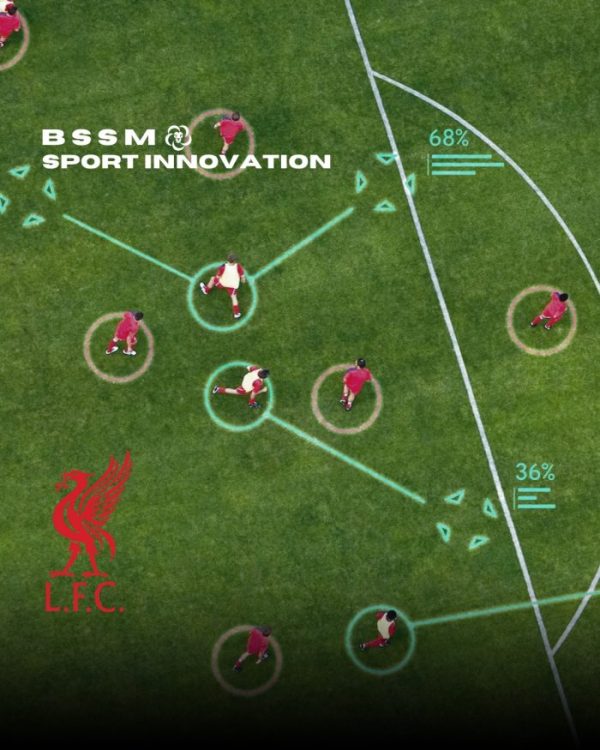
Off the field, Liverpool has been developing a new assistant to help with set-pieces—but this assistant isn’t human. Liverpool’s famous analytics team, led by William Spearman since 2023, has teamed up with Google DeepMind to create TacticAI, an AI tool to improve corner kick strategies. This project was highlighted in a paper published in Nature Communications. Researchers Zhe Wang and Petar Velickovic used data from 9,693 corner kicks from Premier League seasons between 2020 and early 2023.


TacticAI is an AI tool that helps coaches improve their game strategies. The main focus is on set plays, like corner kicks, which can be key chances to score when done right.


TacticAI uses smart models to predict what might happen next, such as which player will get the ball or if someone will take a shot, all based on where the players are standing. It also suggests changes in player positions to either increase or reduce the chances of certain outcomes. It uses detailed information, like players’ height, weight, position, and movements, to forecast what might happen next during a corner. For instance, it can predict which player is most likely to get the ball or whether a shot will be attempted. It can also suggest small changes, like shifting a defender’s position, to reduce the risk of conceding a goal.


For example, TacticAI might look at how defenders are lined up during a corner and suggest moving them to reduce the risk of the other team getting a shot. This helps coaches adjust their tactics during the game to increase their chances of success.


Liverpool has already shown how important good corner tactics can be, like in their famous 2019 comeback against Barcelona, when Trent Alexander-Arnold’s quick corner kick set up a crucial goal. Google DeepMind also found that expert reviewers preferred the AI’s suggestions over the usual tactics 90% of the time.


The goal of TacticAI is to make the analysis process faster and more efficient. Coaches no longer need to spend hours watching videos of opponents and have more time creating winning strategies. Instead, the AI analyzes the data and provides quick insights on how to improve their strategies.


While TacticAI hasn’t yet been fully implemented in Liverpool’s games, the project shows how seriously clubs are taking set-pieces, with nearly 30% of Premier League goals last season coming from dead-ball situations. Even a small improvement in tactics could make a big difference across a season.


This partnership highlights Liverpool’s role as a leader in using technology to improve football analysis and Liverpool’s use of AI is just the latest example of how technology is transforming football. But while AI can offer valuable insights, it will always be up to the coaches and players to execute the strategies on the pitch.

By Alexandra Taub

2025 CLUB WORLD CUP: THE FIFPRO VS FIFA LEGAL CONTROVERSY

FIFPRO Europe, the organization representing European footballers, has submitted a complaint regarding FIFA’s match schedule, arguing that it poses significant risks to players’ health. The unions believe that FIFA’s actions violate the EU Charter of Fundamental Rights, which guarantees workers’ rights, such as healthy working conditions and paid leave.

This season, all three European club competitions have expanded to include 36 teams each. In response, FIFPRO have initiated legal action against FIFA over the men’s Club World Cup which also expanded to 32 teams and will begin in June 2025 in the USA. The players’ union argue that the tournament disregards players’ well-being, by adding to an already overcrowded calendar.

Specifically, the scheduling of the 2025 Club World Cup will overlap with the period when players would take their annual rest. Therefore, some players could face almost an entire year without enough rest between club and international duties. A report from FIFPRO highlighted that the increasingly packed football calendar, has resulted in some athletes having as little as 12% of the year available for rest. The report also projected that, for example players like Federico Valverde, Nicolo Barella, and Phil Foden could end up playing as many as 80 matches in future seasons due to the continued expansion of competitions.

FIFA President Gianni Infantino has dismissed the legal challenge, insisting that FIFA is responsible for organizing only a small portion of the matches. He stated that “98 to 99 percent of matches are organized by other bodies” and defended FIFA, by explaining that the “few” matches they organize, help financially support football development worldwide and promote the sport on a global level. As a result, FIFPRO Europe has taken the case to the Brussels Court of Commerce, requesting a referral to the European Court of Justice (ECJ) for a preliminary ruling.

Nevertheless, this legal battle marks a significant moment in the ongoing conflict between FIFA’s competition expansions and the rights of players.

By Yolanda Pandi

FOOTBALL CLUB FINANCIAL STATEMENT: THE MAIN RULES AND FEATURES

The size and popularity of soccer, which has increased greatly in recent years, has initiated a process of regulation of football clubs: control rules, regulation of the legal form and formal obligations, particularly the preparation of financial statements.

The preparation of financial statements of soccer clubs, unlike “classic” companies, has some distinctive peculiarities:

  • the regulatory sources are prepared by the FIGC and they are the Internal Organizational Rules of the Football Federation (N.O.I.F.), the Unified Chart of Accounts and the Accounting Recommendations;
  • other regulatory sources are the Civil Code, from which certain rules specified by the FIGC may derogate, and international rules specified by UEFA or FIFA;
  • the administrative period coincides with the sports season: July 1-June 30.

The financial statements must consist of Balance Sheet, Income Statement, Cash Flow Statement and Explanatory Notes to the Financial Statements.

The typical items that characterise the Balance Sheet Assets are:

  • Intangible fixed assets: players’ registration rights, concessions, licences and trademarks;
  • tangible fixed assets: stadium, facilities, land, plant and machinery owned by the club.

Players’ registration rights correspond to the acquisition value of the player’s card, including costs related to the acquisition such as agent’s commissions, signing bonuses and bonuses; the account is entered in the balance sheet net of the amortisation fund, where the amortisation fund is the sum/accumulation of the amortisation made at the end of the period.

Trademarks are characterised by registered and protected property rights, such as, for example, logos, club colours, coat of arms, names and, more generally, distinctive club and brand rights.

The Income Statement, on the other hand, shows the following items:

  • VALUE OF PRODUCTION
    • Stadium revenues: tickets and season tickets;
    • Television rights;
    • Revenues from sponsor;
    • Merchandising;
    • Player trading assets: revenues from the loan of players and capital gains from the outright sale of players.
  • PRODUCTION COSTS
    • Personnel costs: players’ wages ad salaries;
    • Expenses: travel, transport, catering, scouting, youth sector, etc.;
    • Rent of stadium and sport facilities (if not owned);
    • Marketing and advertising;
    • Player trading liabilities: capital losses from the outright sale of players and costs from the loan purchase of players;
    • Amortisation of players.

We can see how, in contrast to civil law provisions, football clubs record capital gains and capital losses in their ordinary operations, whereas for ‘typical’ companies they are extraordinary income/costs.

Let us now look at a clear example to understand how a purchase of a football player, its relative cost in the balance sheet and its possible future sale works.

In the example below, the player was purchased (assuming at the beginning of the accounting period) at a cost of EUR 55,000,000, including incidental expenses. A 5-year contract was signed, so the cost will be spread over several years: 55,000,000 / 5 = 11,000,000.

TAG COSTINCIDENTAL EXPENSES (agent fees)Contract durationAnnual amortisation
50,000,0005,000,000511,000,000

At the end of each year’s period we will write:

END OF PERIODPURCHASE COSTANNUAL AMMORTISATION (Income Statement)AMORTISATION FUNDPlayers’ registration rights (Balance Sheet)
N55,000,00011,000,00011,000,00044,000,000
N + 155,000,00011,000,00022,000,00033,000,000
N + 255,000,00011,000,00033,000,00022,000,000
N + 355,000,00011,000,00044,000,00011,000,000
N + 455,000,00011,000,00055,000,0000

Assume, for example, that the player is sold for 40,000,000 at the beginning of year N + 2. At the end of year N + 1, the player was worth 33,000,000 on the balance sheet, so the same value is carried forward to the beginning of year N + 2. Well, the difference of 7,000,000 (40,000,000 – 33,000,000) we will enter in the balance sheet in the Income Statement recording a revenue, more precisely a capital gain.

SALESBOOK VALUECAPITAL GAIN
40,000,00033,000,0007,000,000

To get an idea of the real size of the football industry, let us now analyse the balance sheets of the Serie A football clubs with their differences and peculiarities.

The figures refer to the 2022/2023 football season.

The costs do not only indicate the so-called ‘production costs’, but also include depreciation, provisions, write-downs, financial expenses and taxes; this method was used to better understand the derivation of profit.

CLUBINCOMECOSTNET PROFIT
ATALANTA195,4189,85,6
BOLOGNA117,32133,62-16,3
CAGLIARI69,772-2,3
EMPOLI81,685,6-4
FIORENTINA159,6179,1-19,5
FROSINONE*1,4818,24-16,76
GENOA116,9148,9-32
INTER425,5510,8-85,3
JUVENTUS507,7631,4-123,7
LAZIO153,3182,8-29,5
LECCE5958,20,8
MILAN404,5398,46,1
MONZA68,3128,6-60,3
NAPOLI359,2279,579,7
ROMA277379,7-102,7
SALERNITANA70,6100,2-29,6
SASSUOLO140,2147,2-7
TORINO101,1110,66-9,56
UDINESE126,2129,8-3,6
VERONA98,4110,1-11,7

*Balance sheet of Frosinone Calcio Srl (as at 30 June 2023). 18.08 million the assets of Together F.C. S.p.A. the holding company of the sports infrastructure branch. The company is 55% owned by PSC Gestione Partecipazioni S.r.l. and 45% by BS Holding S.p.A. Both companies are entirely owned by the Stirpe family. Together FC controls the Together Infrastrutture Sportive S.r.l. Società di Progetto which is the Company that manages the infrastructures used by Frosinone Calcio, such as the ‘Benito Stirpe – PSC Arena’ stadium and the ‘Cittadella dello Sport di Ferentino’.

The numbers speak for themselves: the football industry has a considerable turnover. The real issue, however, is how these clubs ‘burn through’ the huge turnovers from player sales, television rights, stadiums, merchandising and sponsors; the question is much debated and, as the most analytical balance sheets can suggest, cutting costs, particularly those related to player purchases and player salaries, is the key to long-term economic-financial sustainability. A further solution may be the inclusion of regulation of the sector through legal impositions in terms of budget quotients or spending capacity, although this route does not seem to be considered by the authorities. In fact, looking at the strategies of leagues, federations and international organisations (FIFA and UEFA), the key seems to be more towards increasing turnover than reducing costs: how? New competitions, such as the Nations League, the Club World Cup and the new format of the Champions League, may induce clubs to have higher revenues from television rights and to have the possibility of a larger budget, which suggests an ever-increasing increase in fees and salaries.

Sources:

  • Sole24ore
  • Calcio e Finanza
  • Ufficio camerale (online site)
  • Economia e sport (blog)

By Alessandro Caldera

STADIUM SPONSORSHIPS: THE IMPACT OF NAMING RIGHTS

Stadium sponsorships have become increasingly important in the world of sports in recent years. These changes, thanks also to the increasing visibility and commercialization of the sports world, represent a strategy to generate greater profit for sports clubs and greater visibility for sponsoring companies.

The central aspect of this type of sponsorship is the phenomenon of “naming rights”, which means the right of a company to link its brand name to a stadium.

More and more brands are using this technique, such as Emirates, Allianz and Crypto.com, which have invested large sums to associate their name with sports facilities.

With this marketing ploy, unprecedented exposure is achieved: both during events and through television broadcasts, millions of fans see the name of the company associated with a sporting event, such as a match or a concert.

For example in 2021 the “Staples Centre”, home of the Los Angeles Lakers and Clippers, has been renamed “Crypto.com Arena” in a $700 million naming rights deal, for a period of time of 20 years.

Stadium sponsorships offer tangible benefits for companies. First, return on investment is often measurable through increased brand awareness and consumer interest. Brand presence at high-profile sporting events can increase customer trust and loyalty. Studies show that spectators tend to positively perceive brands associated with emotional events, such as football matches or concerts.

In addition, sponsorships provide brand activation opportunities. Companies can use events to launch promotional campaigns, engage with fans and interact directly with the public.

As is often the case, stadium sponsorships have also faced criticism, despite the financial returns. Fans are often frustrated by the idea of ​​traditional stadium names being changed to sponsor-centric names. Selling naming rights can make club fans feel detached from the team’s traditional values, creating the opposite of the intended goal: more detachment. This growing tension between sporting passion and commercialization is the subject of fierce debate.

Furthermore, clubs need to be aware of the connection they want to create with the brand, as partnerships can have disastrous consequences if the associated brand is involved in scandals of any kind. It is therefore important that clubs choose their collaborations very carefully, not only in economic terms but also in terms of reputation.

In summary, stadium sponsorships are an ever-evolving phenomenon, with significant impacts for both companies and sports organizations. While they offer opportunities for visibility and economic growth, it is essential that these partnerships are managed with care and attention, taking into account the sensibilities of fans and sporting traditions. Only through a balanced approach can we ensure a future in which business and sporting passion can coexist in harmony, creating added value for all parties involved.

Article made by: Paolo Zalum

Sito web creato con WordPress.com.

Su ↑