
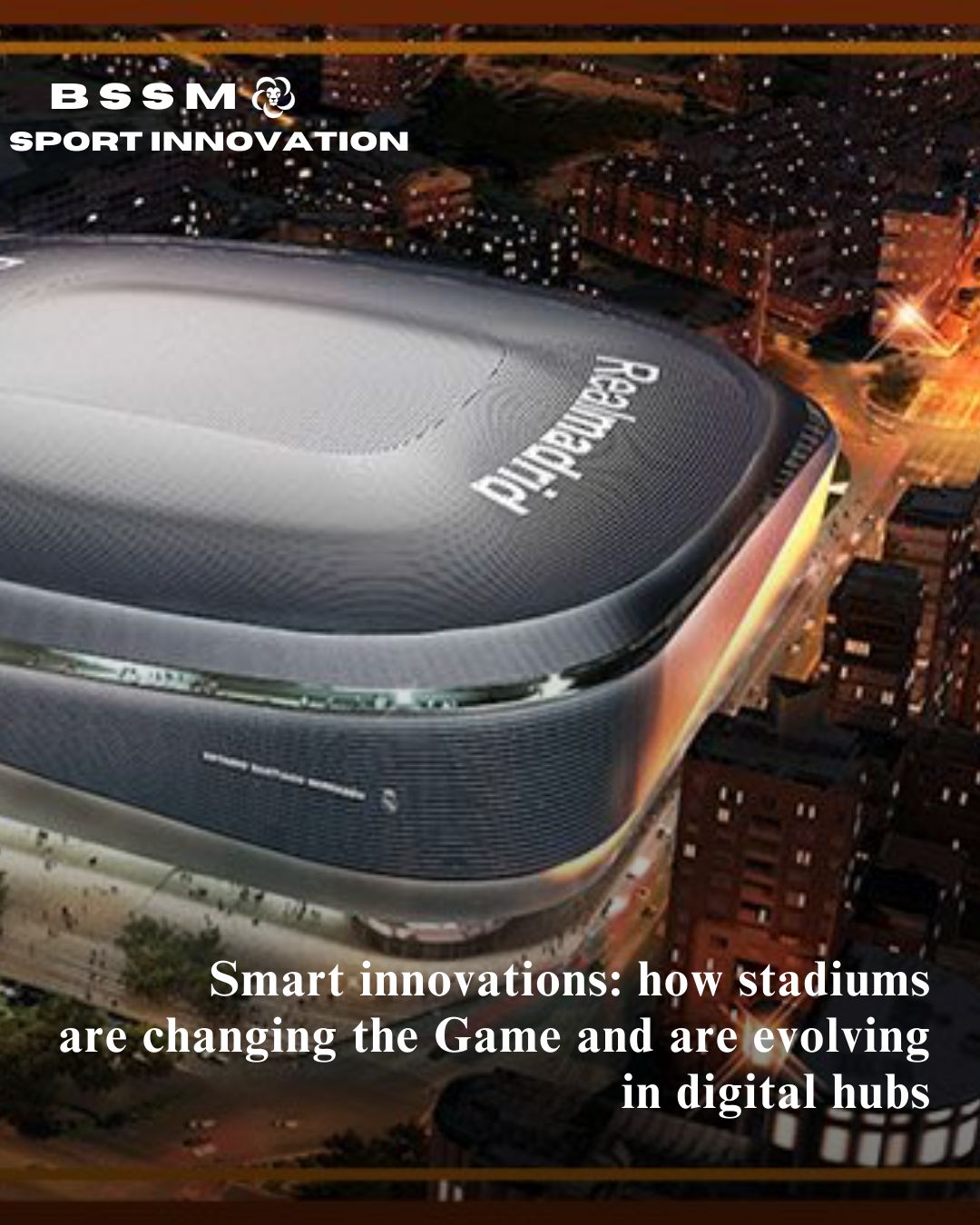
The Santiago Bernabeu Stadium earned its crown as World’s Best Stadium 2024. This achievement shows how smart stadium technology has reshaped the scene of modern sports venues. Its state-of-the-art pitch and 360-degree video screen make this architectural marvel a symbol of stadium breakthroughs.
Sports arenas and stadiums have seen an unprecedented rise. Between 2020 and 2024, developers rebuilt 18 venues and constructed 32 new ones. Stadium infrastructure investment reached €800 million in 2023, which accounts for 6.2% of revenue. Modern venues now combine AI-driven analytics, 5G networks, augmented reality experiences and biometric payment systems.
Smart stadiums have changed how fans watch and experience games. These venues offer tailored merchandise suggestions and display live player statistics right on the field. This technology creates a new dimension of fan involvement that seemed impossible a few years ago.
How Stadiums Evolved to Digital Hubs
The story of stadium architecture shows remarkable progress since the early 20th century. Back then, venues were simple concrete bowls that offered minimal amenities. The original stadiums had basic concrete tiers with uncomfortable seating. These facilities focused only on hosting large crowds before television broadcasts became popular.
Tragic events in UK stadiums during the 1980s, including fires and overcrowding, led to crucial safety improvements. These changes made venues more available and comfortable for various spectators. The upgrades also brought new business opportunities through merchandising, museums, and restaurants.
Today’s stadiums have become smart entertainment hubs. They feature high-speed Wi-Fi, interactive mobile apps, and immersive technologies. Los Angeles’ SoFi Stadium showcases this innovation perfectly with its 70,000-square-foot dual-sided video board, AI-powered concessions, and seamless ticketing systems.
Modern venues use IoT networks (Internet of Things) to monitor heat mapping and manage crowds in real time. Augmented reality creates interactive experiences that boost fan engagement. Digital twins generate hyper-realistic virtual stadium representations that enable virtual tours and improve game-day features.
This progress reflects new priorities in stadium design. The focus has changed from maximizing seats to creating intimate, atmospheric venues with premium amenities and better fan experiences. Modern stadiums stand as architectural marvels. They serve not just as sporting venues but as iconic landmarks that create lasting emotional connections with spectators.
AI and AR Technologies Enhance Fan Immersion Beyond the Game
AI now creates individual-specific fan experiences that go beyond the playing field. The Orlando Magic leads this innovation by putting AI and machine learning at the heart of their fan strategy. Their approach resulted in a remarkable 120% increase in game-day app users and a 20% increase in fan satisfaction scores for in-stadium technology.
AI algorithms analyze data from fan priorities, viewing patterns, and social media activity to create custom experiences. Fans receive video highlights, betting tips, and team news that match their interests. AI helps stadium spectators find shorter food lines and suggests the best viewing spots based on live crowd movement analysis.
AR changes the way fans involve themselves with live sports. The FIFA World Cup in Qatar brought the innovative FIFA+ Stadium Experience to life. In-venue fans could access video replays, multiple camera angles including VAR replays, and live AR displays showing statistics and heatmaps. The NFL has also launched AR apps that let fans see detailed player stats by pointing their phones at the field.
These technologies also boost business operations. The Orlando Magic utilizes AI platforms to spot season ticket holders who might leave and sends them special offers early. This evidence-based strategy helps retain customers in today’s competitive entertainment market.
Conclusion
Technology has transformed traditional sporting experiences into remarkable smart stadiums. These architectural marvels combine state-of-the-art technology with cherished sporting traditions that create exceptional fan experiences and operational improvements.
Smart stadium technology shows promising developments. Up-to-the-minute data analysis and AI-driven systems make game days enjoyable. Teams learn about their supporters’ priorities and behaviors while stadium operators can manage crowds better.
IoT networks, artificial intelligence, and augmented reality work together to create immersive experiences that connect fans with the action. Market growth projections indicate smart stadiums will become common in professional sports.
Smart stadium technology enhances the special aspects of attending games instead of replacing traditional elements. These venues maintain the communal spirit of live sports through careful integration of digital breakthroughs. They also provide the convenience and interaction that today’s audiences need.
 BOCCONI STUDENTS FOR SPORT MANAGEMENT
Lascia un commento