
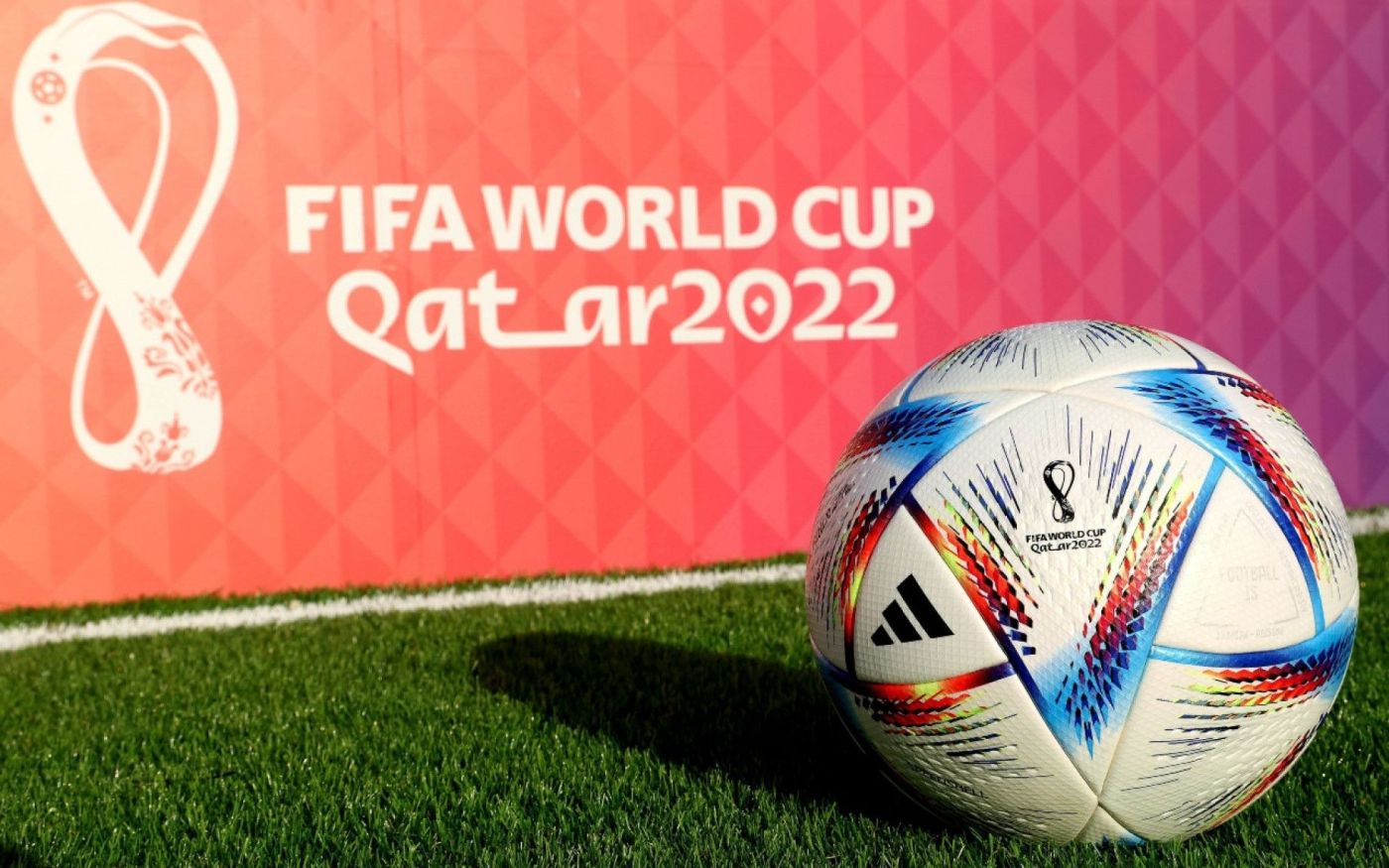
Amid the scorching Qatari desert and a relentless storm of criticism, the first winter World Cup in football history finally begins. This most unusual tournament kicks off with its two greatest stars, Messi and Cristiano Ronaldo, finding themselves in surreal situations just days prior: the former collapses with his Albiceleste against a Saudi powerhouse, while the latter remains clubless just two days before debuting with Portugal.
Meanwhile, during the reigning champions France’s first outing, only nine minutes into the game and following Australia’s opening goal, an unnatural knee movement forces Lucas Hernández off the field in tears, sparking fears and leaving everyone on edge, even in Munich.
“Rupture of the anterior cruciate ligament in the right knee,” reads the official statement from the French federation. A piece of news that, despite the victory, sours the mood—not so much for the French supporters as for Bayern Munich, who won’t see their player back before the 2023/24 season and will need to find an adequate replacement in the winter transfer market.
The issue of national team injuries has always sparked debate and often led to clashes between clubs and federations. To address this, FIFA, especially for a mid-season World Cup, established coverage for injuries sustained during national team duty through the Club Protection Programme.
Given the numerous risks associated with professional athletes’ activities, the insurance company Lloyd’s has, for years, specialized in the sports insurance business. The firm underwrites individual insurance contracts reaching staggering sums, around £150 million, covering injuries and health policies for players. Specifically, Lloyd’s evaluates policies based on parameters like the ever-growing salaries in football, record club revenues, and significant sponsorship deals of individual players.
Following the Covid pandemic and a World Cup held at the peak of the season, the sports insurance business has continued its exponential growth. This market appears to align with the development of the professional sports industry, which, according to Dbrs Morningstar, is expected to reach $600 billion in revenues by 2025, with an annual growth rate of about 8%.
Taking Lucas Hernández’s Tuesday evening injury as an example, the policy aims to mitigate the financial impact of his prolonged unavailability. Beyond the burden of his “modest” €18 million net salary on the club’s budget, the Bavarian sporting director Salihamidžić will inevitably need to make an expensive move in the January transfer window to replace him.
Lloyd’s analyses also reveal another interesting fact: the average insurable value for players aged 18–24 is £32 million, compared to £12 million for those over 31. This is hardly comforting news for Bayern Munich after the injury to the 26-year-old Frenchman.
Focusing on Qatar 2022, the total insurable value of the entire tournament, at £22 billion, highlights the extraordinary growth of this sector. This figure dwarfs the £6.2 billion recorded during the 2014 World Cup and reflects the exponential increase in football-related salaries, sponsorships, and revenues, justifying the staggering insurance policy values.
Finally, as reported by Milano Finanza, it is intriguing—and almost prophetic—that Lloyd’s, using the highest estimated insurable value for each national team, has developed a model to predict the tournament winner based on individual team performances.
Having correctly forecasted the winners in 2014 and 2018—Germany and France, respectively—this time, with an insurable value of £3.17 billion, England emerges as the favorite.
So, the inevitable question arises: is it coming home?
By Luca D’Addario
 BOCCONI STUDENTS FOR SPORT MANAGEMENT
Lascia un commento